The Gut-Skin Connection: How Your Microbiome Influences Acne
Discover how the health of your gut microbiome directly affects your skin. Learn about the gut-skin axis, evidence linking acne to gut dysbiosis, and practical steps to support a healthy microbiome for clearer skin.
Last updated: November 11, 2025

You may have heard the phrase "you are what you eat." When it comes to your skin, that saying holds more truth than you might expect. Scientists are discovering that the health of your gut — including the trillions of bacteria, fungi and other microbes that live there — can influence the health of your skin. This relationship is known as the gut-skin axis. Understanding it can open new avenues for both preventing and treating acne and other inflammatory skin conditions.
In this article, we'll explore how the gut-skin connection works, what the latest research says about gut microbes and acne, and practical steps you can take to support a healthy microbiome for clearer skin.
What Is the Gut-Skin Axis?
The gut-skin axis refers to the biochemical signaling that takes place between the gastrointestinal tract and the skin. In other words, your gut health directly affects your skin. A balanced gut microbiome helps regulate immune responses and reduce inflammation, which in turn can mitigate the severity of many skin conditions. When the balance of good and bad bacteria in your gut is disrupted — a condition known as dysbiosis — it can trigger systemic inflammation and worsen acne, eczema, psoriasis and other skin problems.
Leaky Gut and Systemic Inflammation
An unhealthy gut microbiota can increase intestinal permeability, often referred to as "leaky gut". When the gut lining becomes permeable, toxins, pathogens and partially digested food particles can pass into the bloodstream. This triggers a cascade of immune responses and inflammation that can manifest on the skin as acne or other rashes. Poor gut health can also affect the absorption of nutrients like vitamins A, C, E and omega-3 fatty acids, all of which are critical for skin health.
How Gut Health Affects Acne
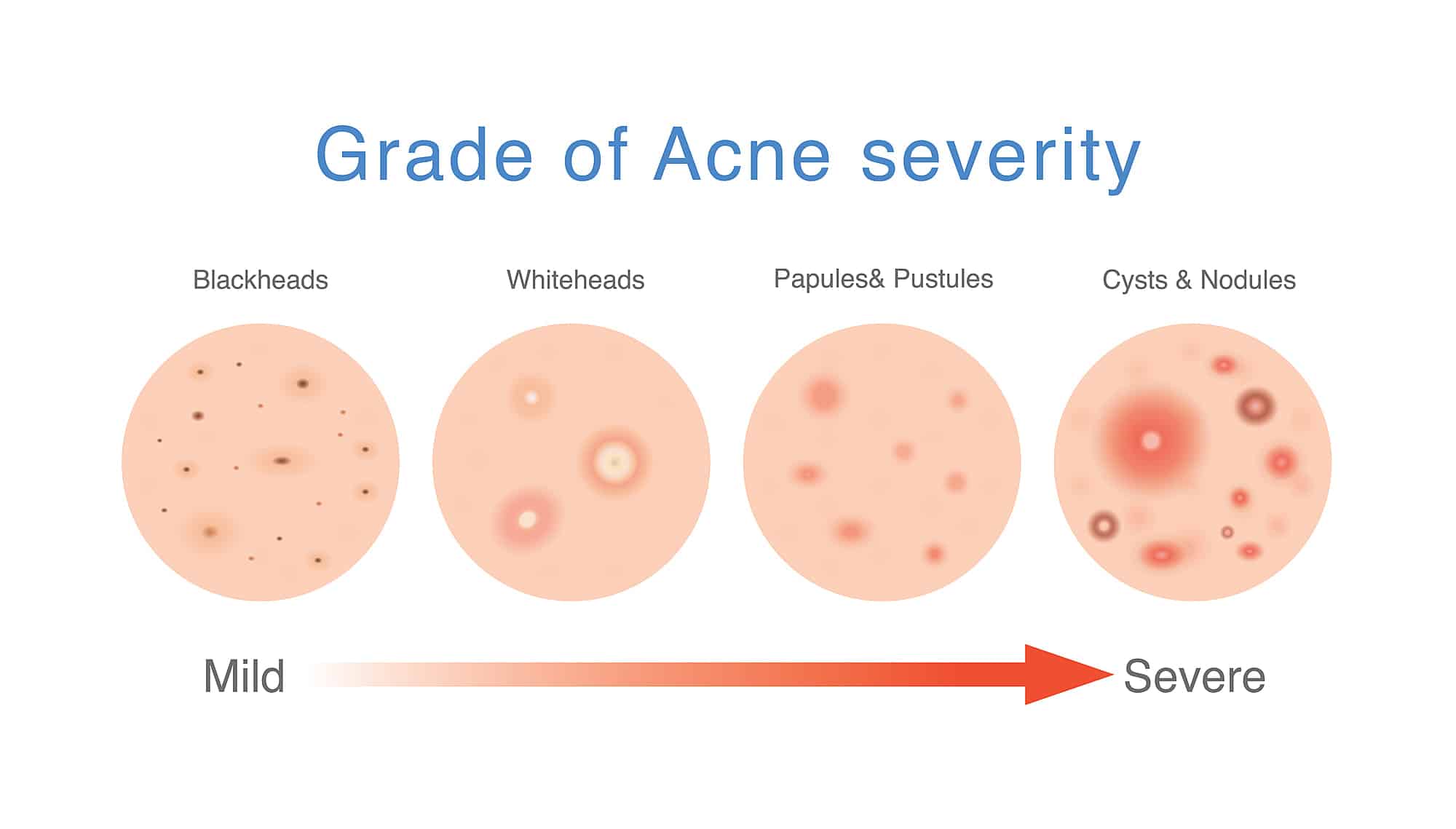
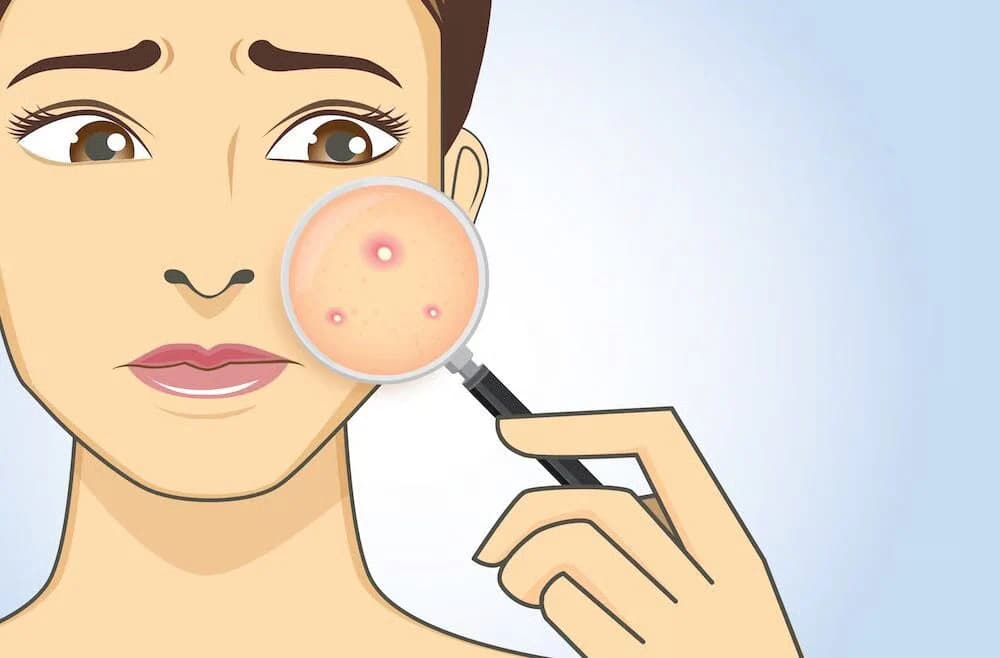
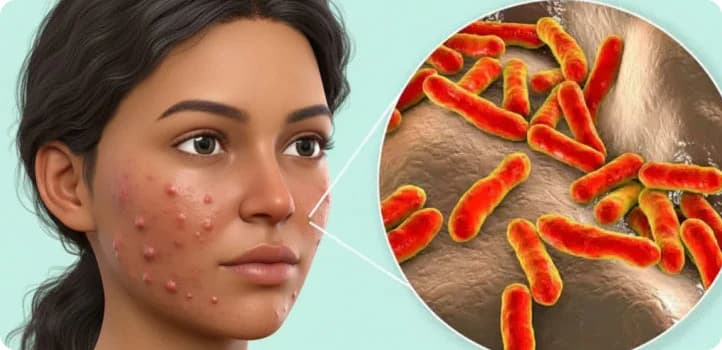
Acne is a multifactorial condition that involves excess oil production, clogged pores, bacterial overgrowth on the skin and chronic inflammation. It's increasingly clear that gut microbes can influence each of these factors. Several case-control studies have shown that people with acne have reduced microbial diversity in their guts compared with those without acne. They are often lacking key beneficial bacteria, such as Lactobacillus and Bifidobacterium, which produce short-chain fatty acids (SCFAs) that strengthen the gut barrier.
Researchers have proposed several mechanisms through which the gut microbiome might drive or worsen acne:
1. Increased Intestinal Permeability
Low levels of beneficial bacteria mean fewer SCFAs. Without enough SCFAs, the gut barrier weakens, allowing microbial products to enter the bloodstream and cause systemic inflammation that contributes to acne.
2. Immune System Modulation
Gut microbes interact with immune cells throughout the gut and bloodstream. Certain bacteria can promote an inflammatory immune response, while others are anti-inflammatory. Dysbiosis may shift the immune system toward a pro-inflammatory state, aggravating skin conditions.
3. mTOR Signaling
The gut microbiome interacts with the mTOR pathway, a cellular signaling system involved in growth, metabolism and inflammation. Changes in gut bacteria can alter mTOR activity, and researchers have observed mTOR pathway abnormalities in people with acne.
4. Neuroendocrine Communication
Gut microbes produce neurotransmitters such as serotonin and GABA. These chemical messengers influence the brain and stress response, which can indirectly affect hormone levels and skin health.
5. Skin Microbiome Composition
SCFAs and other metabolites produced by gut bacteria may influence the composition of the skin microbiome. Emerging research suggests that the gut microbiome can help determine which bacterial species thrive on your skin.
Evidence Linking Acne and Gut Dysbiosis
Scientists have been studying the connection between digestive health and acne for over a century. Early researchers observed that people with acne often had digestive problems and proposed a "gut-brain-skin axis" linking emotional stress, gastrointestinal disturbances and skin conditions. Modern research has validated some of these observations:
- Studies have found that people with acne often have increased intestinal permeability and elevated markers of systemic inflammation.
- Microbiome analyses reveal that acne patients have lower levels of Lactobacillus and Bifidobacterium and a higher proportion of pro-inflammatory species.
- The diversity and composition of gut bacteria correlate with the severity of acne lesions, suggesting that restoring a healthy microbiome could improve outcomes.
While many factors contribute to acne, these findings suggest that addressing gut health may be an important — and often overlooked — piece of the puzzle.
Signs of an Unhealthy Gut
Digestive symptoms such as gas, bloating, cramping, diarrhea or constipation can signal that your gut is out of balance. But the effects of poor gut health extend beyond digestion. People with dysbiosis may experience:
- Sleep problems
- Persistent fatigue
- Skin changes (acne, eczema, rosacea)
- Food intolerances
- Sugar cravings
- Mood disturbances (anxiety, depression)
These systemic symptoms are reminders that the gut influences many aspects of health, including hormonal balance and skin function.
How to Support Gut Health for Clearer Skin
The good news is that you can take steps to improve your gut microbiome and support healthy skin. Here are evidence-based strategies:
1. Increase Microbial Diversity with Plant-Rich Foods
Aim to eat at least 30 different plant foods per week, including fruits, vegetables, herbs, spices, legumes, nuts and seeds. A diverse, fiber-rich diet encourages a wider range of gut bacteria. Polyphenol-rich foods — colorful produce like berries, dark leafy greens and spices — provide antioxidants and feed beneficial microbes.
2. Eat Prebiotics and Fermented Foods
Prebiotics are types of fiber that nourish beneficial bacteria. Foods such as onions, garlic, asparagus, bananas and legumes are excellent prebiotic sources. Fermented foods like yogurt, kefir, sauerkraut, kimchi and kombucha contain live bacteria that can increase microbial diversity. Including these foods regularly helps reinforce your gut barrier and may reduce inflammation.
3. Limit Processed Foods and Added Sugars
Ultra-processed foods and those high in refined sugar can disrupt the gut microbiota and promote the growth of pro-inflammatory bacteria. Reducing these foods in favor of whole, minimally processed options helps maintain a balanced gut ecosystem and stabilizes blood sugar levels, which can also lower acne risk.
4. Stay Hydrated and Include Healthy Fats
Adequate water intake and a diet rich in omega-3 fatty acids support both gut and skin health. Omega-3s help maintain the integrity of the gut lining and the skin barrier. Foods like fatty fish, flaxseeds, chia seeds and walnuts are excellent sources.
5. Manage Stress and Sleep
Chronic stress can reduce levels of Lactobacillus and Bifidobacterium and increase intestinal permeability. Incorporating stress-reduction practices such as meditation, yoga, deep breathing or simply spending time in nature helps restore balance. Quality sleep is also crucial for gut and skin health; aim for 7-9 hours per night.
6. Consider Probiotic Supplements
While diet is the foundation of a healthy microbiome, some people may benefit from targeted probiotic supplements. Strains like Lactobacillus rhamnosus and Bifidobacterium animalis have been investigated for their potential to reduce inflammation and improve skin conditions. If you choose to supplement, look for products with clinically studied strains and consult a healthcare professional.
7. Address Underlying Nutrient Deficiencies and Hormonal Imbalances
Nutrient deficiencies (especially vitamin D, zinc and selenium) and hormonal imbalances can both contribute to acne. Supporting gut health may improve nutrient absorption, but you might still need targeted interventions. Measuring your nutrient levels and hormone profile can help you tailor your diet and supplements.
Why Testing Matters
A healthy gut lays the foundation for clear skin, but gut dysbiosis is only one potential root cause of acne. Some people experience breakouts primarily due to hormonal imbalances, chronic stress or nutritional deficiencies. Without testing, you could spend months trying various diets and probiotic regimens without addressing the real issue.
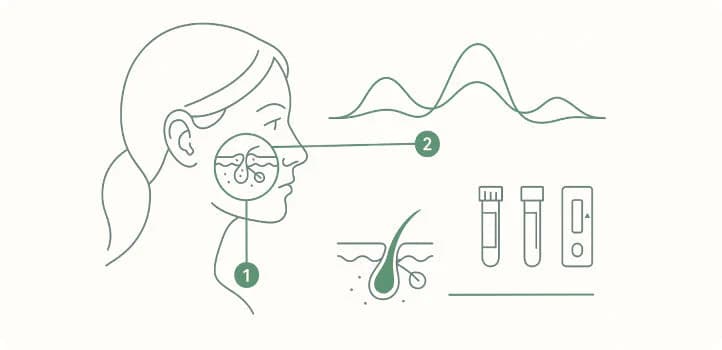
The BreakoutLabs Acne Root Cause Test helps you determine whether your acne is driven by internal factors such as insulin resistance, elevated cortisol, vitamin deficiencies or hormonal imbalances. The at-home kit measures key biomarkers linked to acne and provides a personalized Clear Skin Blueprint with dietary, lifestyle and supplement recommendations. While the test doesn't measure the gut microbiome directly, it gives you valuable insight into systemic imbalances that may affect gut health and skin health simultaneously.
Conclusion
Emerging research confirms a powerful link between the state of your gut and the health of your skin. A balanced gut microbiome regulates immune function, reduces inflammation and strengthens the gut barrier — all of which can mitigate acne and other skin conditions. Conversely, dysbiosis and increased intestinal permeability may allow inflammatory compounds into the bloodstream, exacerbating breakouts.
By prioritizing a diverse, plant-rich diet, incorporating prebiotic and probiotic foods, reducing processed foods, staying hydrated and managing stress, you can support your gut ecosystem and encourage clearer, more resilient skin. Pair these strategies with personalized biomarker testing to identify hormonal or nutritional triggers, and you'll be well on your way to addressing acne at its root.
Ready to discover the hidden drivers behind your breakouts? Order your Acne Root Cause Test today and start healing from the inside out.