Natural Remedies for Hormonal Acne: Evidence-Based Solutions & What to Avoid
Discover evidence-backed natural strategies to cure hormonal acne. Learn what works, what doesn't, and why discovering your unique root causes is the most effective path to clearer skin.
Last updated: November 11, 2025
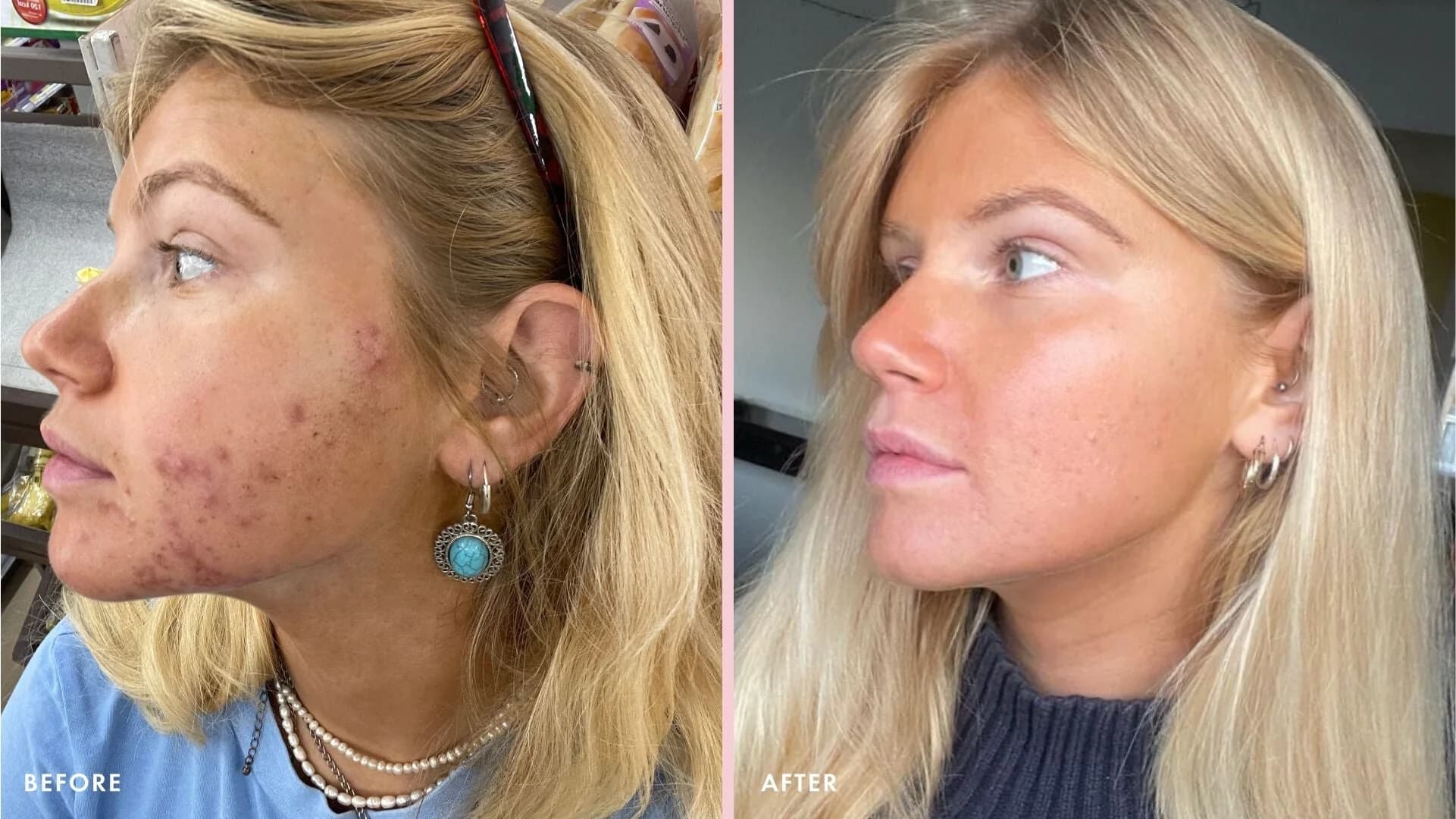
If you keep waking up to jawline breakouts despite buying every serum on the market, you're not alone. Many people try product after product only to find that hormonal acne doesn't respond to surface-level fixes. Topical treatments may reduce redness for a while, but they don't address the internal triggers—fluctuating hormones, blood sugar swings, nutrient deficiencies and chronic stress—that drive persistent adult acne.
In this guide, we'll explore how to cure hormonal acne naturally. We'll look at evidence-backed lifestyle and nutritional strategies, debunk some popular myths, and explain why discovering your unique root causes is the most effective path to clearer skin. While there's no magic "cure," understanding your body and supporting it holistically can significantly reduce breakouts and empower you to take control of your skin health.
Understanding Hormonal Acne
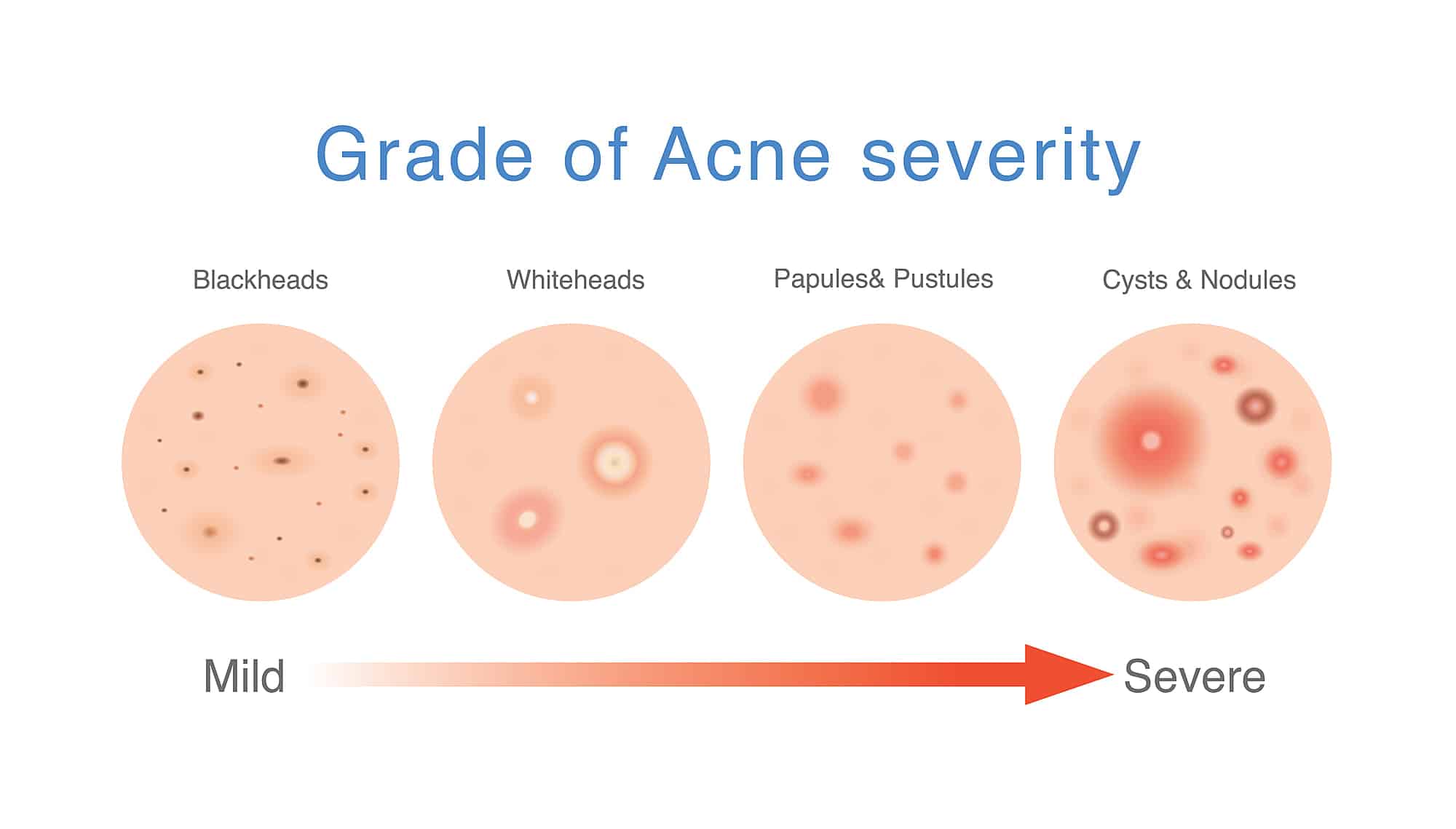
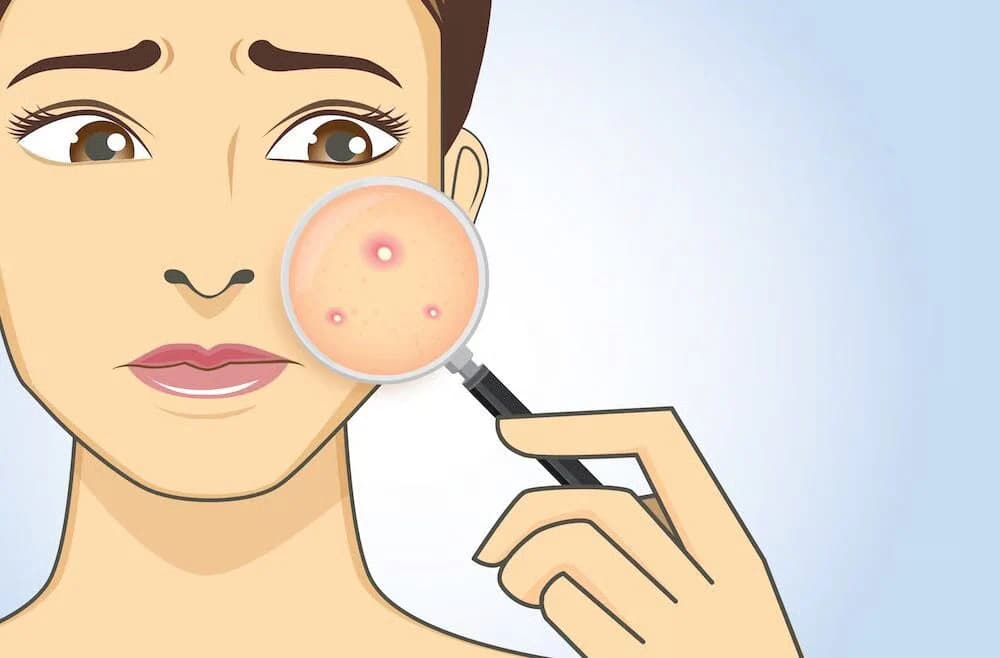
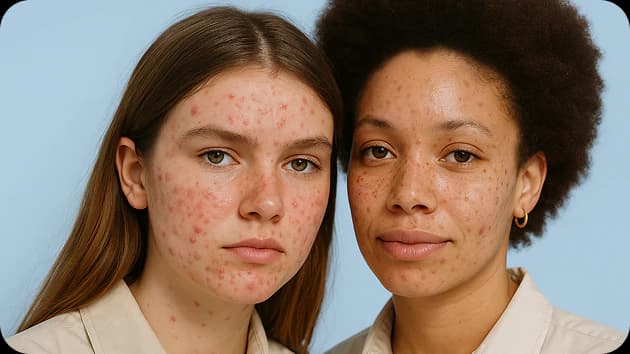
Hormonal acne often appears as deep, painful cysts or nodules along the jawline, chin and neck. These breakouts flare cyclically—just before menstruation for many women or during times of hormonal transition like pregnancy or menopause. Unlike teenage acne, hormonal breakouts can persist well into adulthood. Up to 50% of women in their 20s and 25% of women in their 40s struggle with hormone-driven acne.
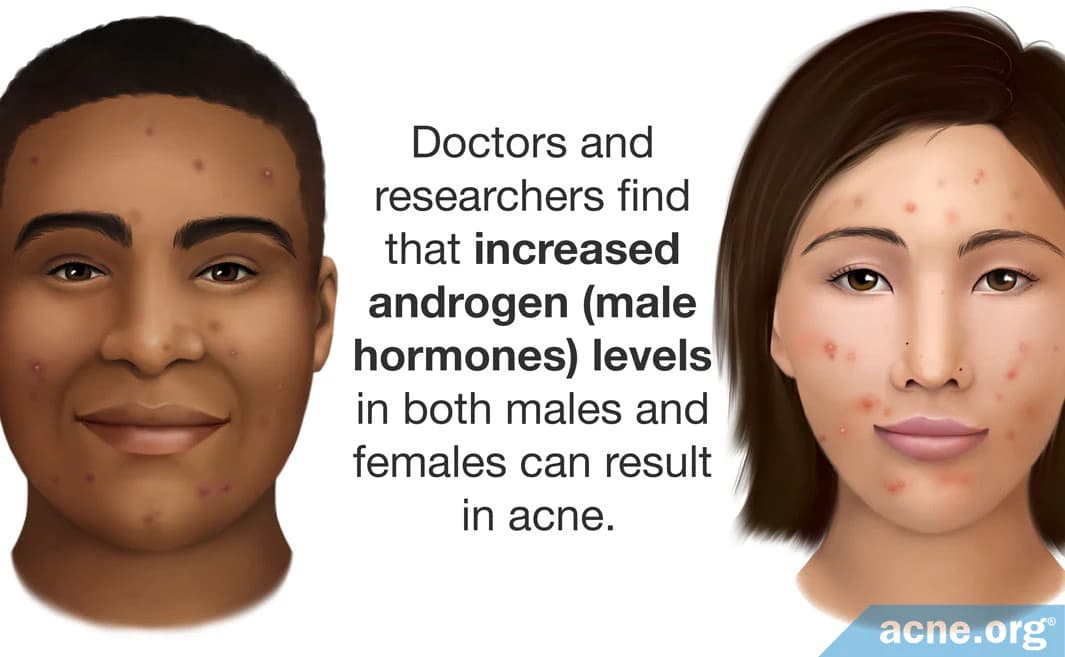
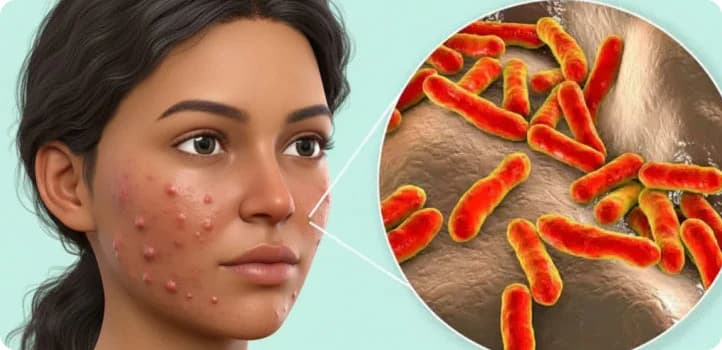
Hormones such as testosterone, estrogen and progesterone regulate the sebaceous (oil) glands in your skin. When hormones are out of balance, sebum production increases and pores become clogged. High levels of insulin and insulin-like growth factor 1 (IGF-1) from a high-glycemic diet can further stimulate androgen production and sebum. Chronic stress raises cortisol, which also boosts oil production and inflammation. Nutrient deficiencies—particularly vitamin D, zinc and selenium—are more common in acne patients and correlate with acne severity.
Signs Your Acne Is Hormonal:
- Cyclic flare-ups, often worsening before your period or during hormone fluctuations
- Deep, tender cysts on the jawline, chin and neck
- Acne persists into adulthood, even with a good skincare routine
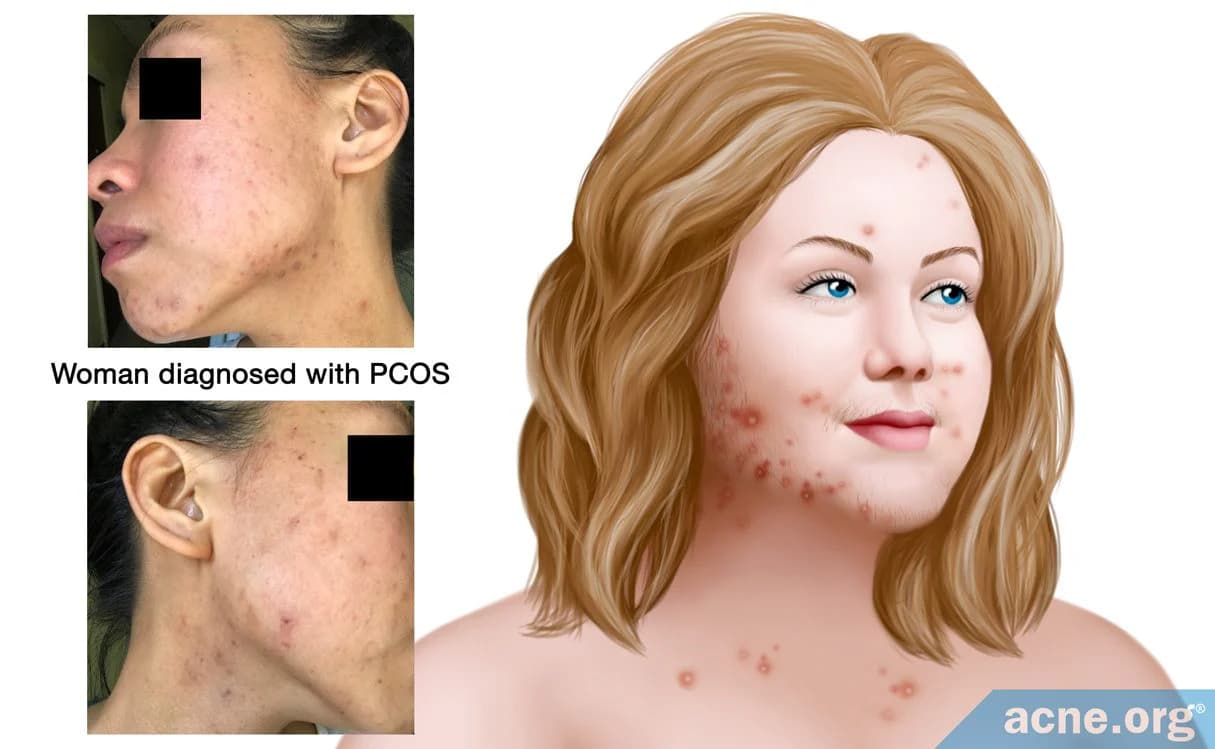
- Other signs of hormone imbalance (irregular periods, excess hair growth, weight changes)
Hormonal acne can be frustrating, but it's also a sign that your body's internal environment needs attention. Natural approaches focus on balancing hormones, stabilising blood sugar, correcting nutrient deficiencies and reducing inflammation.
Why Consider Natural Remedies?
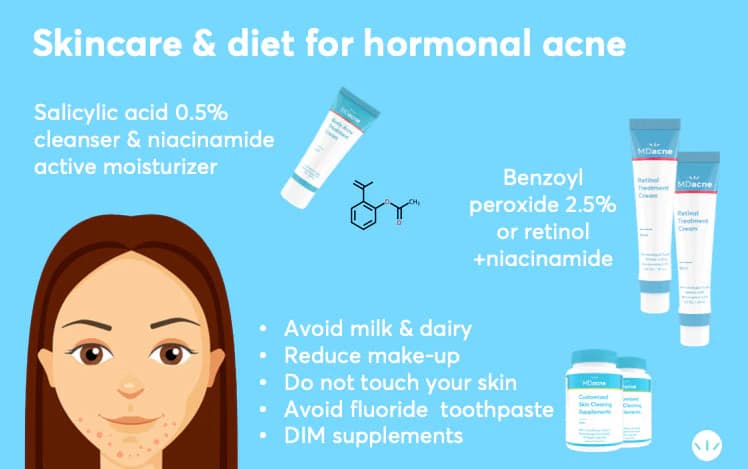
Conventional acne therapies—retinoids, benzoyl peroxide, antibiotics and hormonal medications—can be helpful, but they aren't without drawbacks. Topical treatments can cause dryness and irritation, antibiotics disrupt gut microbiota, and hormonal drugs (like oral contraceptives or spironolactone) have side effects and don't work for everyone. Some people may prefer to avoid medications or may not be good candidates for hormone therapy.
Natural remedies appeal to those seeking gentler solutions or who want to complement medical treatments. However, "natural" doesn't automatically mean effective or safe. There's a lot of misinformation online, so it's important to base your approach on science and to recognize that results vary from person to person.
Evidence-Based Natural Remedies
Balanced, Low-Glycemic Diet & Blood Sugar Control
Diet alone won't "cure" hormonal acne, but stabilising blood sugar can dramatically reduce one of acne's drivers: insulin. High-glycemic foods (white bread, sugary snacks, sweetened drinks) cause rapid spikes in blood glucose, which raise insulin and IGF-1. This hormonal cascade stimulates androgen production and sebum synthesis. Research shows that people with higher insulin resistance tend to have more severe acne.
What to do:
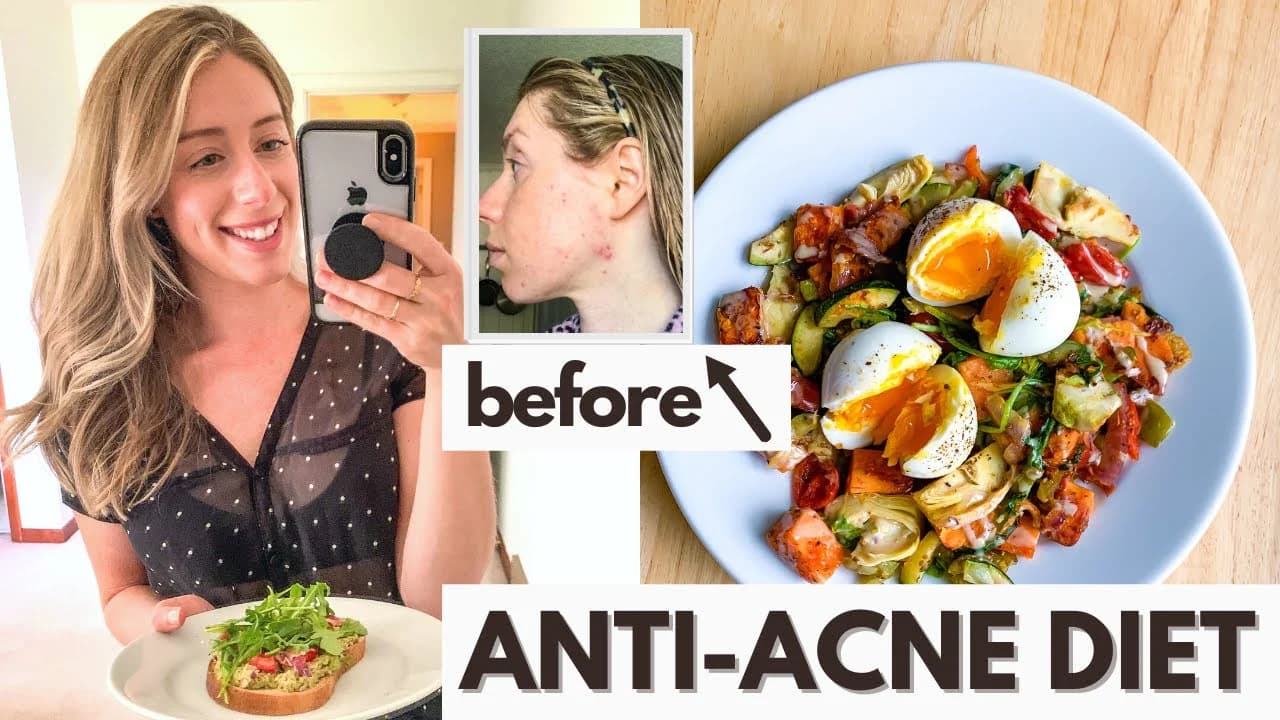
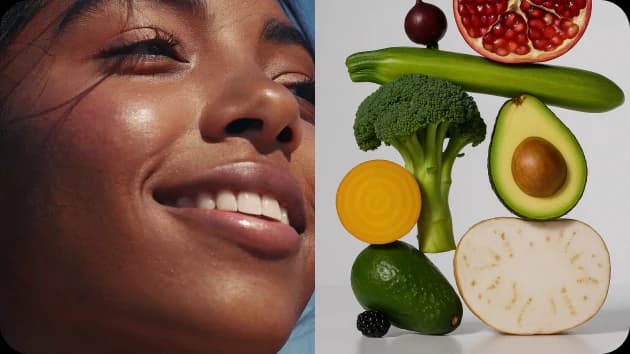
- Base meals around fiber-rich vegetables, whole grains, lean proteins and healthy fats (e.g., avocados, nuts, seeds, olive oil). These foods slow glucose absorption and reduce insulin spikes.
- Choose low-glycemic fruits (berries, apples, pears) instead of sugary desserts. Limit or eliminate refined sugar, white bread, soda and processed snacks.
- Pair carbohydrates with protein or fat to slow down digestion (for example, add a handful of nuts to fruit or serve sweet potatoes with grilled fish).
- Stay hydrated and avoid excessive caffeine, which can disrupt insulin regulation.
Essential Nutrients: Vitamin D, Zinc, Selenium & Omega-3 Fatty Acids
Numerous studies have found that people with acne have lower levels of certain micronutrients than those with clear skin. In a case-control study, acne patients had significantly lower serum levels of zinc, selenium and vitamin D, and the deficiencies correlated with acne severity. Vitamin D regulates sebaceous gland activity and has anti-inflammatory and antioxidant properties, while zinc and selenium modulate immune responses and hormone metabolism.
Low omega-3 fatty acids and high omega-6 fatty acids can drive inflammation. Western diets are typically high in omega-6 oils (e.g., corn, soy) and low in anti-inflammatory omega-3s (found in fish and flax). Improving the omega-6:omega-3 ratio may help reduce inflammatory acne.
What to do:
-
Vitamin D: Get sensible sun exposure (10-20 minutes without sunscreen a few times per week) and include foods like salmon, sardines and eggs. If you're deficient, talk to your doctor about a supplement. In one study, acne patients had average vitamin D levels of 13.3 ng/mL versus 24.2 ng/mL in controls.
-
Zinc: Eat pumpkin seeds, cashews, grass-fed beef, lentils and chickpeas. Topical zinc may also reduce acne lesions.
-
Selenium: Brazil nuts are a rich source; just one nut provides the daily requirement. Also include mushrooms, sunflower seeds and fish.
-
Omega-3s: Increase oily fish (salmon, mackerel, sardines), flaxseed, chia seeds and walnuts. Consider a high-quality fish oil supplement (consult your healthcare provider first).
Stress Management & Sleep
Stress isn't just a feeling—it triggers hormonal changes. When you're under pressure, the hypothalamic-pituitary-adrenal (HPA) axis releases corticotropin-releasing hormone (CRH) and cortisol. These hormones signal sebaceous glands to produce more oil and can worsen inflammation. A cross-sectional study of medical students found that higher perceived stress scores correlated with more severe acne, with stress accounting for roughly 20% of acne severity.
What to do:
- Prioritize sleep, aiming for 7-9 hours per night. Sleep deprivation increases cortisol and insulin resistance.
- Practice mindfulness or meditation for 10-15 minutes daily. Mindfulness reduces cortisol and may improve coping skills.
- Incorporate regular exercise (brisk walking, yoga, strength training) to lower stress hormones and improve insulin sensitivity. Avoid overtraining, which can raise cortisol.
- Identify personal stress triggers—deadlines, relationships, lack of downtime—and set boundaries. Keeping a journal may help identify patterns.
Lifestyle & Skincare Choices
- Stay hydrated by drinking plenty of water. Proper hydration supports cell function and helps flush toxins.
- Limit dairy if you suspect it contributes to breakouts. Milk contains hormones that may stimulate sebum production. Evidence is mixed, but some people notice improvement when they reduce dairy.
- Choose non-comedogenic skincare and makeup. Look for products labeled "oil-free," "non-comedogenic" or "won't clog pores." Natural oils like jojoba may be less clogging, but patch test first.
- Avoid smoking and secondhand smoke. Smoking has been linked to inflammation and may worsen acne.
Herbal & Topical Remedies—Use With Caution
There's growing interest in plant-based remedies, but evidence varies. Here are some commonly cited options:
-
Tea tree oil: A few small studies suggest that diluted tea tree oil may reduce mild acne due to its antibacterial and anti-inflammatory properties. However, undiluted tea tree oil can cause irritation. Always patch test and dilute properly.
-
Green tea extract: Rich in antioxidants, topical green tea may offer mild anti-inflammatory benefits. Drinking unsweetened green tea is a healthy choice, though research hasn't shown it clears acne.
-
Aloe vera: Aloe can soothe irritation but doesn't prevent acne.
-
Apple cider vinegar and honey: Despite popular claims, there's little evidence that these remedies treat acne and they can irritate skin. Apple cider vinegar, in particular, is highly acidic and may disrupt the skin barrier.
Natural doesn't always mean gentle—spot test any new product, and discontinue use if you experience redness, burning or dryness.
What to Avoid
-
Harsh DIY experiments: Toothpaste, baking soda, lemon juice and undiluted essential oils can damage your skin barrier and increase inflammation.
-
High-dose supplements without testing: Taking megadoses of zinc, vitamin A or herbal hormones without knowing your levels can create imbalances. Always consult a healthcare professional before starting supplements.
-
High-glycemic, highly processed foods: Sugary snacks and refined carbohydrates spike insulin and may worsen hormonal acne.
-
Overwashing: Cleansing more than twice a day can strip your skin's protective barrier and trigger more oil production. Stick to a gentle cleanser morning and night.
-
Overly aggressive exfoliation: Physical scrubs and harsh acids can irritate already inflamed skin. Opt for gentle chemical exfoliants like salicylic acid or azelaic acid if tolerated.
The Role of Testing & Professional Guidance
While lifestyle changes and natural remedies can make a meaningful difference, they may not address the underlying imbalances driving your acne. For example, you might follow a low-glycemic diet yet continue to experience breakouts because of androgen excess or nutrient deficiencies. Testing your biomarkers can reveal specific issues—like elevated testosterone, high cortisol or low vitamin D—that influence your skin.
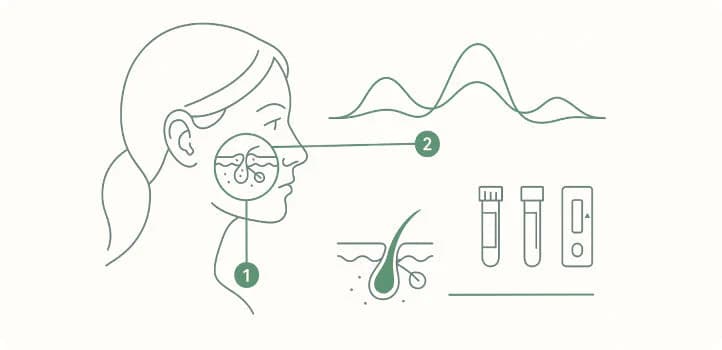
BreakoutLabs' Acne Root Cause Test measures seven key biomarkers (hormones, stress markers and nutrients) using simple at-home collection kits. Your samples are processed in CLIA-certified labs and reviewed by physicians. You receive a Clear Skin Blueprint™ outlining personalised nutrition, lifestyle and supplement recommendations tailored to your results. Testing takes the guesswork out of natural approaches and helps you focus on what your body actually needs.
How to Create Your Natural Acne Plan
Follow these steps to build a holistic acne strategy:
-
Evaluate your current habits. Keep a food and lifestyle journal for two weeks to identify triggers (e.g., sugar cravings, poor sleep, stress spikes).
-
Adopt a balanced, low-glycemic diet. Focus on whole foods and reduce processed sugars and refined carbs.
-
Correct nutrient deficiencies. Incorporate vitamin D, zinc, selenium and omega-3 rich foods; consider supplements if levels are low.
-
Manage stress and prioritise sleep. Practice mindfulness, exercise regularly and aim for consistent bedtimes.
-
Test your biomarkers. Order the Acne Root Cause Test to measure hormones, cortisol and nutrient levels. Use the results to fine-tune your plan.
-
Evaluate skincare products. Switch to non-comedogenic, gentle products and avoid harsh DIY remedies.
-
Monitor progress. Take weekly photos and adjust your plan based on results. Consider consulting a dermatologist or nutritionist for support.
FAQ
Can hormonal acne be cured naturally?
Natural interventions—like diet changes, stress management and targeted supplementation—can significantly improve hormonal acne for many people. However, because acne involves multiple factors (genetics, hormones, bacteria, inflammation), there's no universal "cure." The goal is to reduce the frequency and severity of breakouts by balancing your internal environment. Combining natural strategies with professional guidance and testing offers the best chance of long-term improvement.
Which supplements are safe for hormonal acne?
Supplements like vitamin D, zinc, selenium and omega-3s are generally safe when taken at recommended doses and based on confirmed deficiencies. Herbal supplements (e.g., spearmint, saw palmetto) may help lower androgens but lack robust research and can interact with medications. Always consult a healthcare provider and test your levels before starting any supplement regimen.
When should I see a doctor about hormonal acne?
If your acne is painful, leaves scars or doesn't improve with lifestyle changes, consult a dermatologist. Seek medical attention if you experience signs of hormone disorders—such as irregular periods, sudden weight changes, hair loss or excessive hair growth—as these may indicate conditions like polycystic ovary syndrome (PCOS) or thyroid issues. A doctor can assess for underlying disorders and discuss treatments such as hormonal therapy or medications.
Conclusion: Empowerment Through Evidence and Insight
Balancing hormones and supporting your body naturally can make a profound difference in hormonal acne. Start with foundational habits: stabilise blood sugar, correct nutrient deficiencies, manage stress and choose gentle skincare. Remember that anecdotal "miracle cures" rarely work and some may harm your skin. Personalised testing helps you target the root causes specific to your body, saving you time and frustration.
Ready to discover the internal imbalances driving your breakouts? Order your Acne Root Cause Test and get a customised roadmap to clearer skin. With evidence-based guidance and the support of BreakoutLabs, you can finally move beyond topical treatments and address acne at its source.