DHEA and DHEA-Sulfate Tests Complete Guide
This updated 2025 guide demystifies dehydroepiandrosterone (DHEA) and its sulfated form (DHEA-S) by explaining what these hormones do, why testing them matters and how to interpret the results.
Last updated: November 11, 2025

Empower yourself with the facts. This updated 2025 guide demystifies dehydroepiandrosterone (DHEA) and its sulfated form (DHEA-S) by explaining what these hormones do, why testing them matters and how to interpret the results. You'll get practical insights into blood and saliva tests, normal ranges, causes of high or low levels and next steps for both men and women. Use this article as a roadmap to navigate your hormone health with confidence.
Introduction: DHEA & DHEA-S in 2025
DHEA and DHEA-S are steroid hormones made primarily in your adrenal glands. They serve as building blocks for testosterone and estrogen and influence sexual development, fertility, mood and energy. Levels of both hormones peak in the late teens and early twenties and decline steadily with age. Because they change over the lifespan and may signal underlying endocrine disorders, doctors increasingly use DHEA and DHEA-S tests to evaluate adrenal function and investigate unexplained symptoms such as irregular periods, hirsutism or precocious puberty.
In 2025, at-home test kits and saliva testing are more widely available than ever, but confusion about test types and interpretation persists. This guide aims to clear that up.
What Are DHEA and DHEA Sulfate? Key Differences
DHEA (dehydroepiandrosterone) is an active steroid that can be converted into testosterone and estrogen. It is produced in the adrenal glands, brain and gonads and freely crosses the blood-brain barrier. DHEA circulates for only 30 minutes to a few hours before being metabolized to its sulfated form. Because it fluctuates quickly, measuring DHEA directly is difficult.
DHEA-S (dehydroepiandrosterone sulfate) is DHEA with an attached sulfate group. This sulfated version is far more stable; it has a half-life of 7-10 hours and circulates at concentrations 100-1000 times higher than DHEA. DHEA-S acts as a storage reservoir: it can be converted back into DHEA when needed, but it has only about 5% of the androgenic activity of testosterone. DHEA-S is easier to measure and is the predominant form tested in clinical practice.
Summary of Differences
Produced by:
- DHEA: Adrenal glands, gonads, brain
- DHEA-S: Mostly adrenal glands
Function:
- DHEA: Precursor to testosterone and estrogen
- DHEA-S: Inactive storage form that can convert back to DHEA
Half-life:
- DHEA: 30 minutes – 3 hours
- DHEA-S: 7-10 hours
Bioavailability:
- DHEA: Crosses blood-brain barrier; responsive to acute stress
- DHEA-S: Does not cross blood-brain barrier easily; reflects long-term adrenal output
Androgenic potency:
- DHEA: Relatively strong
- DHEA-S: About 5% of testosterone activity
Ease of testing:
- DHEA: Difficult—rapidly converted to DHEA-S
- DHEA-S: Preferred—most labs measure DHEA-S as a proxy for total DHEA
Why DHEA/DHEA-S Testing Matters
DHEA-S tests are used to evaluate adrenal gland function, distinguish sources of androgens and screen for disorders that cause excess or deficient androgen production. DHEA-S is converted into androgens and estrogens and plays a critical role in male puberty and reproduction. Doctors order the test to investigate adrenal tumors, congenital adrenal hyperplasia (CAH) or early puberty.
DHEA-S measurements help diagnose polycystic ovary syndrome (PCOS) and differentiate adrenal versus ovarian causes of virilization. Because DHEA-S declines with age, abnormally high or low results can signal a problem even when other hormones appear normal. The test also helps identify causes of fertility problems, irregular menstruation and masculine characteristics in women, and it can monitor treatment for adrenal disorders.
Who Should Get Tested – Indications and Risk Factors
Healthcare providers may order a DHEA-S test when you or your child has signs of androgen excess or deficiency. Common indications include:
-
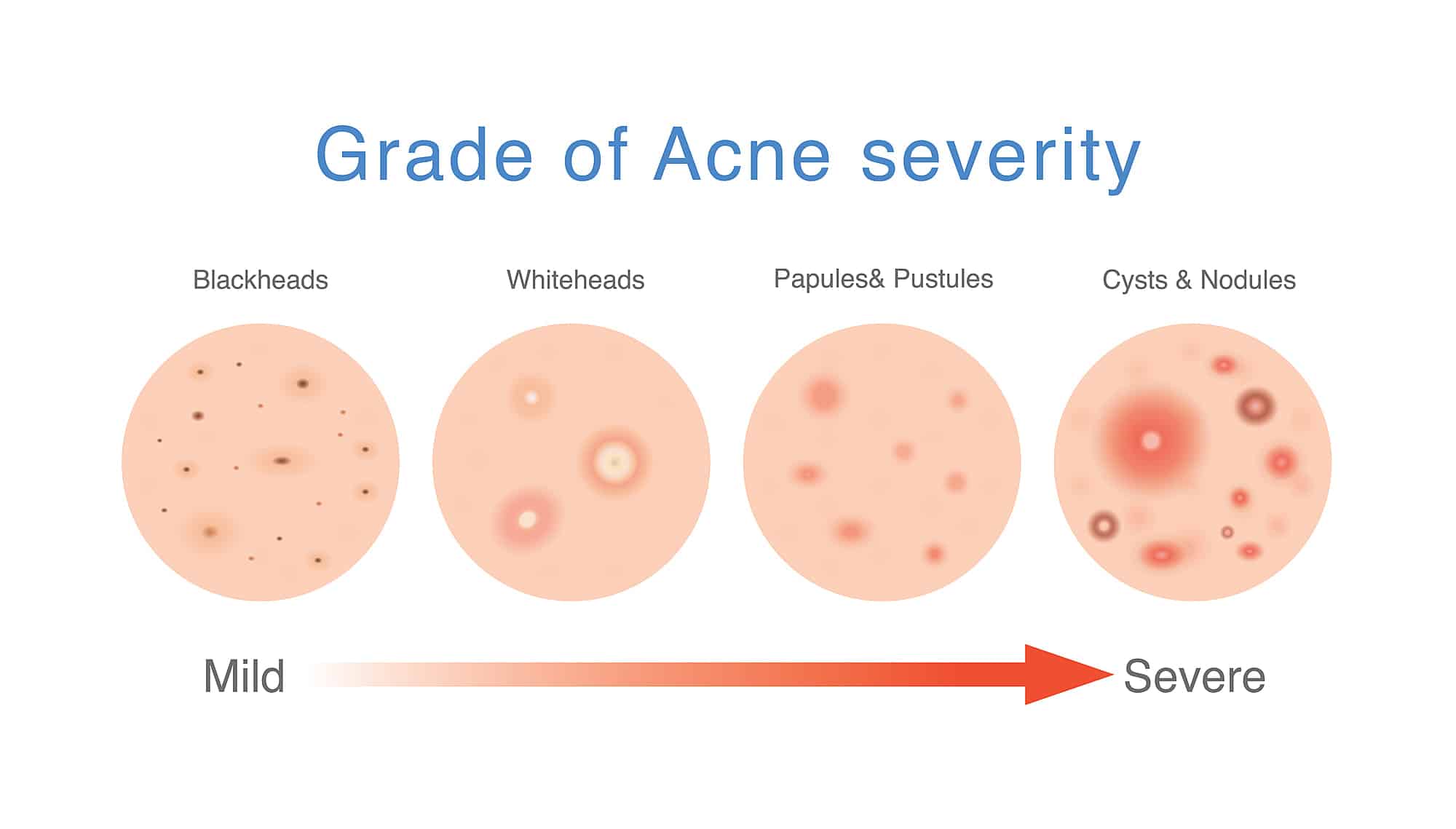
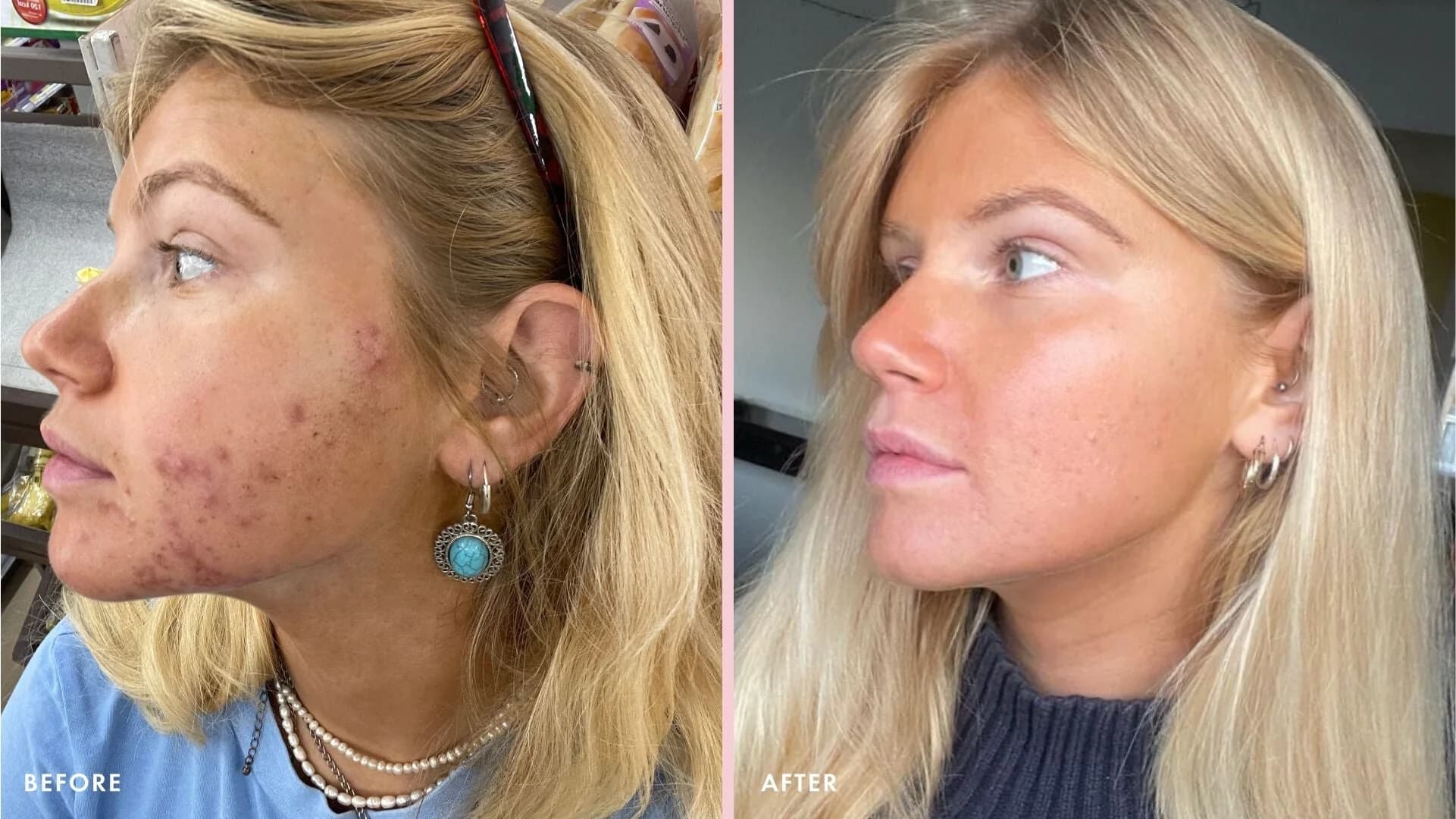
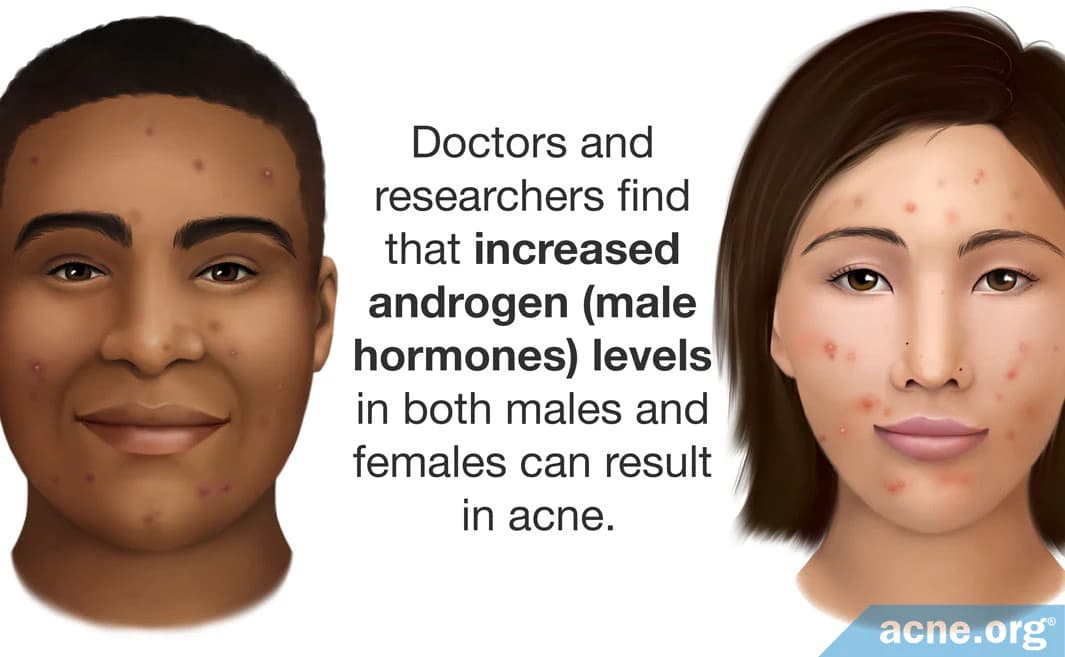
Excess hair growth (hirsutism), deepening voice, hair loss or severe acne in women and girls. High DHEA-S levels in females can cause abnormal menstruation, excess facial or body hair, hair loss, infertility and severe acne.
-
Irregular or absent periods or infertility. DHEA-S testing is often part of the workup for PCOS or other reproductive disorders.
-
Virilization or precocious puberty in children. Boys with early development or girls developing masculine features may need a DHEA-S test to rule out adrenal hyperplasia or tumors.
-
Suspected adrenal tumors or CAH. Elevated DHEA-S can indicate an adrenal carcinoma, adenoma or congenital enzyme deficiency.
-
Symptoms of adrenal insufficiency. Low DHEA-S may accompany Addison disease or hypopituitarism, causing fatigue, dehydration, low blood pressure and weight loss.
Testing is also used to monitor adrenal function after surgery or treatment, and to assess the effectiveness of hormone replacement therapy.
Types of DHEA Tests: Blood vs. Saliva
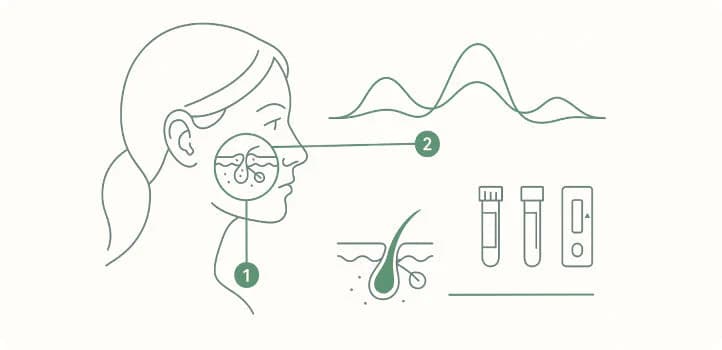
Most DHEA or DHEA-S tests use a blood sample drawn from a vein. Blood testing measures total hormone levels—both protein-bound and free fractions—and is considered the gold standard for diagnosing adrenal disorders. Labs typically measure DHEA-S rather than DHEA because it is more stable and less affected by short-term fluctuations.
Saliva testing measures only the "free," bioavailable fraction of hormones. Because saliva is essentially filtered blood, small unbound steroid molecules like DHEA can enter saliva through the salivary glands. Saliva tests are non-invasive, convenient and useful for tracking daily fluctuations in cortisol, DHEA and other hormones. However, saliva testing for DHEA or DHEA-S is less widely used for formal diagnosis because reference ranges are less standardized and results can be affected by contamination or improper collection.
How to Prepare for a DHEA/DHEA-S Test
DHEA-S tests generally require little preparation. No special restrictions are needed, but you should tell your doctor about all supplements and medications you take. Biotin and DHEA supplements can interfere with the assay. Because DHEA-S levels are relatively stable throughout the day, sample timing is less critical than for cortisol testing.
Some clinicians still prefer a morning blood draw to control for diurnal variation. Smoking and nicotine use may increase DHEA-S, so avoid nicotine before the test. If you're taking DHEA supplements, your provider may ask you to stop them before testing to avoid skewed results.
Understanding Your DHEA Test Results
Reference ranges vary by laboratory and depend on age and sex. Here are typical DHEA-S serum ranges:
Women:
- Ages 18-29: 45 – 320 µg/dL
- Ages 30-39: 40 – 325 µg/dL
- Ages 40-49: 25 – 220 µg/dL
- Ages 50-59: 15 – 170 µg/dL
- Ages 60+: < 145 µg/dL
Men:
- Ages 18-29: 110 – 510 µg/dL
- Ages 30-39: 110 – 370 µg/dL
- Ages 40-49: 45 – 345 µg/dL
- Ages 50-59: 25 – 240 µg/dL
- Ages 60+: < 204 µg/dL
Results outside these ranges don't always mean something is wrong; they must be interpreted in the context of other hormones and symptoms.
Common Causes of High or Low DHEA Levels
High DHEA or DHEA-S Levels
High DHEA-S can result from conditions that cause excess androgen production or adrenal stimulation:
- Congenital adrenal hyperplasia (CAH) – Inherited enzyme deficiencies lead to overproduction of adrenal androgens
- Adrenal tumors or carcinoma – A benign adrenal adenoma or cancer can secrete large amounts of DHEA-S
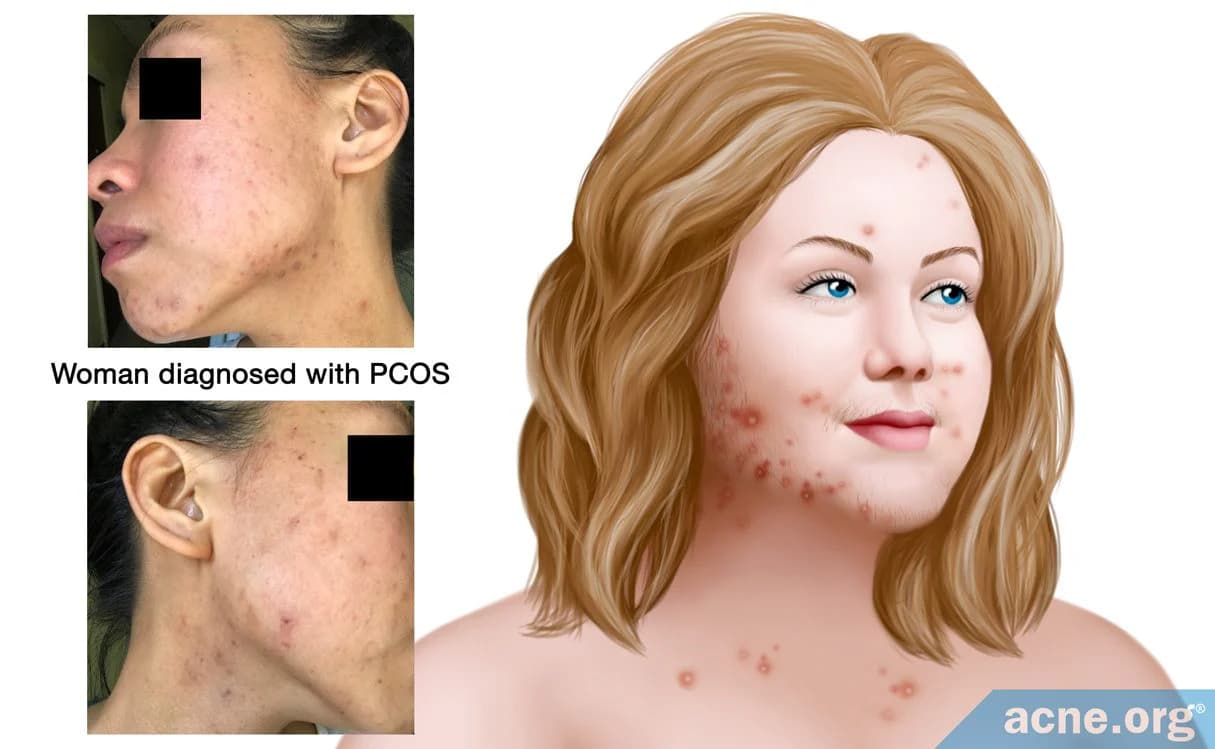
- Polycystic ovary syndrome (PCOS) – Women with PCOS may have elevated DHEA-S along with high LH/FSH ratios and cystic ovaries
- Early (precocious) puberty or virilization in children – Excess DHEA-S triggers early development of secondary sex characteristics
Low DHEA or DHEA-S Levels
Low levels usually reflect reduced adrenal output:
- Addison disease – Autoimmune destruction of the adrenal cortex leads to low cortisol and low androgens
- Hypopituitarism – Pituitary disease reduces ACTH stimulation, lowering DHEA-S
- Normal aging – DHEA and DHEA-S decline steadily with age
- Glucocorticoid medications – Chronic steroid use suppresses adrenal hormone production
DHEA Supplements: Evidence and Risks (2025 Update)
DHEA supplements are marketed for anti-aging, weight loss, sexual function and athletic performance. However, high-quality evidence for these uses is limited. There is no reliable evidence that DHEA prevents aging-related problems, and supplements can cause side effects such as acne, oily skin, hair growth, mood changes, liver inflammation and interactions with medications.
People with hormone-sensitive cancers, PCOS or pregnancy should avoid DHEA supplements. If you are considering DHEA supplementation, consult a qualified healthcare professional and request hormone testing before and after.
Frequently Asked Questions
What is a DHEA or DHEA-S test?
A DHEA or DHEA-S test measures the level of these hormones in your blood (or saliva). The test helps evaluate adrenal function, diagnose disorders like PCOS, congenital adrenal hyperplasia or adrenal tumors, and investigate symptoms such as abnormal hair growth, irregular periods or early puberty.
How do I prepare for a DHEA or DHEA-S test?
Tell your healthcare provider about any supplements and medications. Most DHEA-S blood tests require no fasting. Avoid smoking and nicotine before the test.
What do high or low DHEA levels mean?
High levels may indicate congenital adrenal hyperplasia, PCOS, adrenal tumors or early puberty. Low levels may point to Addison disease, hypopituitarism or natural aging.
Are DHEA supplements helpful or safe?
Evidence is mixed; supplements can cause side effects and have not been proven to prevent aging. Only take DHEA under medical supervision and after confirming a deficiency.
Conclusion
DHEA and DHEA-S testing provides valuable insights into your adrenal and reproductive health. By understanding what these hormones do, when to test them and how to interpret results, you can work with your healthcare provider to address hormonal imbalances and optimize your wellbeing. At BreakoutLabs, we're committed to empowering you with actionable hormone insights through our at-home testing kits and personalized guidance.