Teen vs. Adult Acne: Why Causes and Treatments Change Over Time
Understanding the differences between teen and adult acne and the unique triggers behind each is essential for finding relief. Learn how hormones, lifestyle, and other factors shift as you age and why treatment strategies need to evolve.
Last updated: November 11, 2025

Is acne just a teenage rite of passage? Not always. While many people associate pimples with adolescence, breakouts don't magically stop after your high-school years. In fact, a growing number of adults struggle with persistent or late-onset acne. Understanding the differences between teen and adult acne and the unique triggers behind each is essential for finding relief. This guide breaks down how hormones, lifestyle, and other factors shift as you age, why treatment strategies need to evolve, and how biomarker testing can help you pinpoint what's driving your breakouts.
Teen Acne: Oil Glands in Overdrive
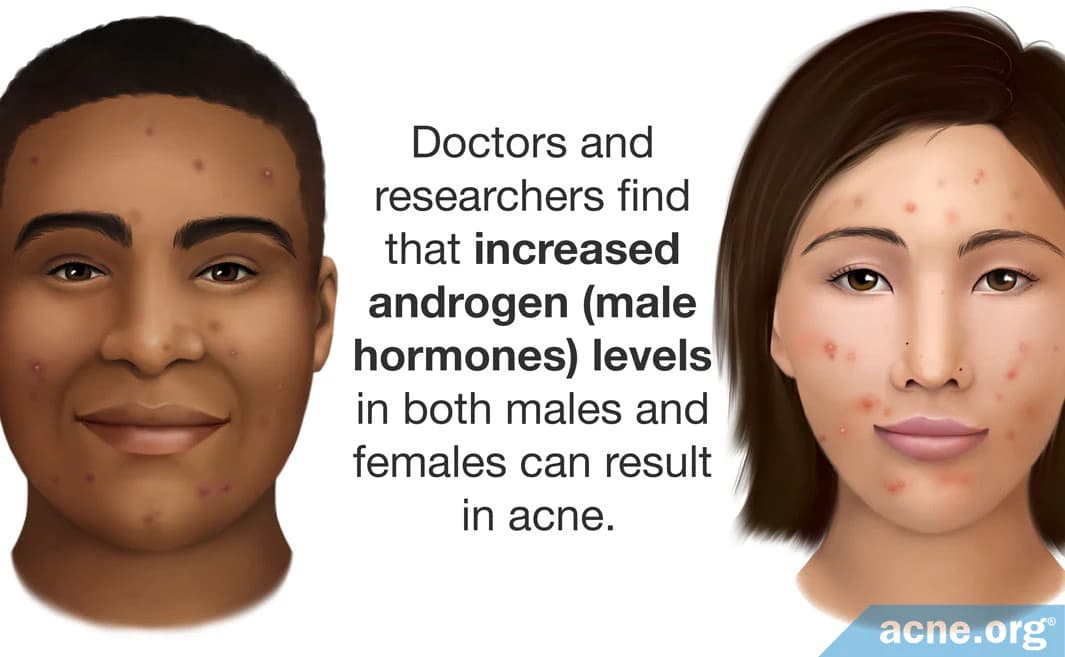
During puberty, your body is flooded with androgens (male hormones). Boys experience a surge in testosterone, while girls see changes in progesterone and estrogen. These hormones enlarge the skin's oil glands and boost sebum production. When excess oil mixes with dead skin, bacteria, and sweat, pores clog and pimples form. Genetics, the types of bacteria on your skin, and irritants in personal-care products also influence how severe breakouts will be.
Where Teen Acne Appears
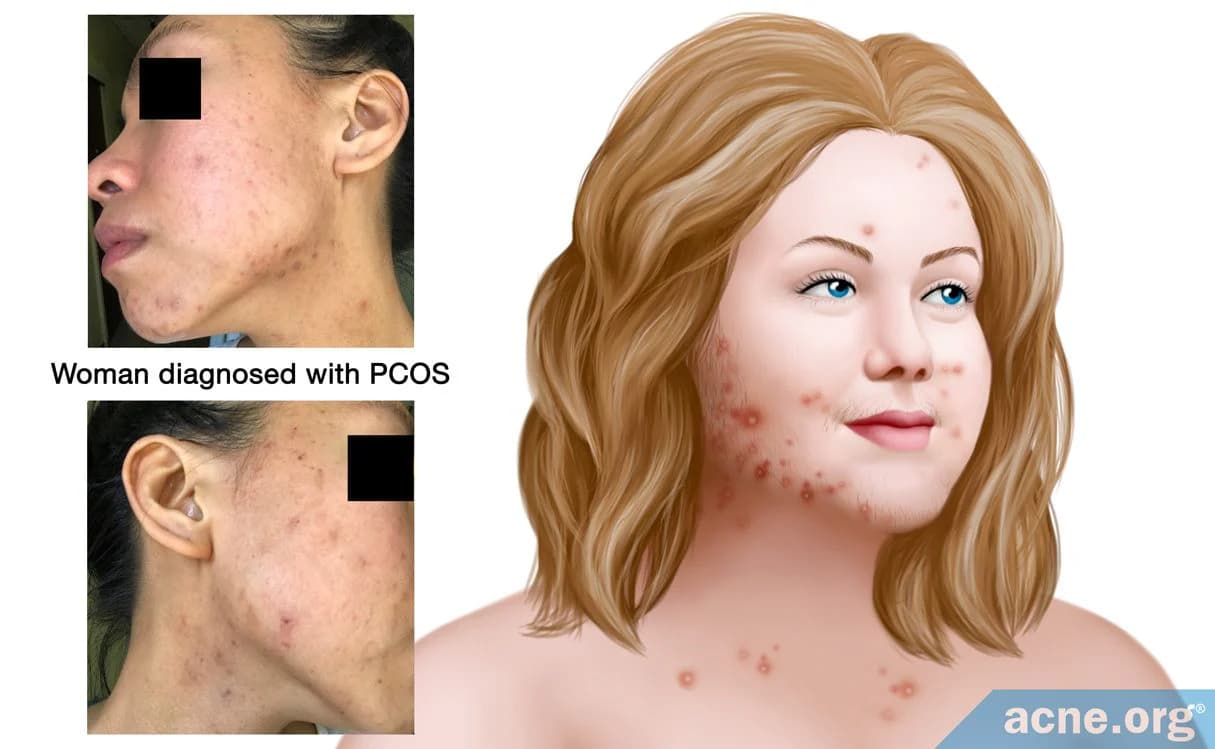
Teens typically develop acne on the face, chest and back. Because these breakouts are mostly driven by puberty-related hormone spikes, many young people "grow out" of acne as their hormone levels level off and oil glands shrink. However, some continue into adulthood or develop chronic conditions like polycystic ovary syndrome (PCOS), where androgen levels remain elevated.
Habits and Lifestyle Factors
Teenage behaviors can worsen breakouts. Common triggers include:
- Greasy foods and sugary snacks – High glycemic load foods can raise insulin and stimulate more sebum production.
- Staying in sweaty clothes – Sweat traps oil and bacteria against the skin.
- Touching or picking at pimples – Spreads sebum and bacteria from hands to face, leading to more inflammation.
- Lack of consistent skincare – Forgetting to cleanse and moisturize can clog pores or dry out skin, prompting rebound oiliness.
Adult Acne: Beyond Puberty
Leaving your teen years doesn't guarantee clear skin. In fact, adult-onset acne is common, and those who had acne as teens may continue to break out. Unlike teenage acne—which is primarily hormone driven—adult acne is multifactorial. While excess sebum remains a factor, hormones tend to stabilize after adolescence, so other triggers become more important.
Key Differences in Adult Acne
-
Location: Adults often develop acne around the chin, nose and mouth, whereas teens see breakouts on the face, chest and back. These patterns reflect differences in sebaceous gland distribution and hormone receptors.
-
Hormonal fluctuations: Pregnancy and menstruation can trigger hormonal shifts in women, leading to flare-ups. Conditions like PCOS also persist into adulthood.
-
Stress & lifestyle: Chronic stress is a major driver of adult acne; elevated cortisol increases inflammation and oil production. Sleep deprivation, poor diet and dehydration amplify this effect.
-
Medications & irritants: Steroids, lithium, phenobarbital and certain cosmetics or hair sprays can cause or worsen breakouts.
-
Skin changes: As we age, cell turnover slows, leading to slower healing and more pigmentation issues. Adult skin may also be more sensitive or dehydrated, so some treatments used on teenage skin may be too harsh.
-
Genetics: A family history of adult acne increases your likelihood of experiencing it.
Why Your Acne Evolves Over Time
Acne isn't a single condition; it's a symptom of underlying imbalances. Here's how those root causes can change as you transition from adolescence to adulthood:
Teen Acne:
- Primary drivers: Puberty-related hormonal surges (testosterone, estrogen, progesterone) enlarge oil glands and boost sebum
- Other influences: Diet, poor hygiene, sweat, genetics
Adult Acne:
- Primary drivers: Hormonal fluctuations during menstruation, pregnancy, PCOS; excess sebum remains a factor
- Other influences: Chronic stress, lack of sleep, poor diet, dehydration, medications and cosmetics, genetics
How to Treat Teen and Adult Acne Differently
For Teens
-
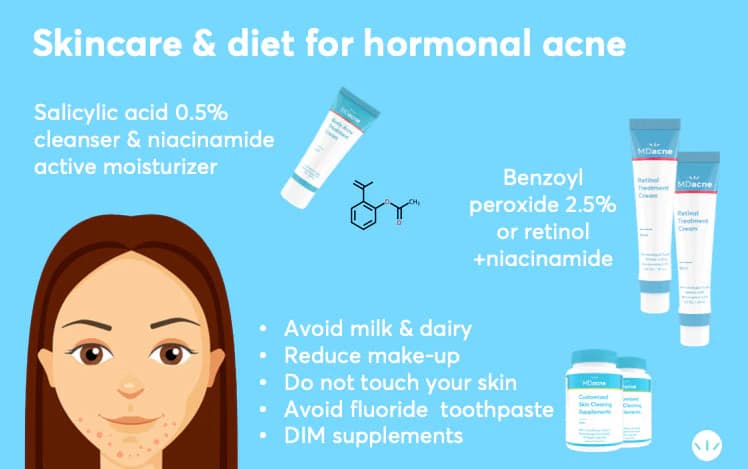
Start with simple skincare. Cleanse once or twice daily with a mild, non-comedogenic cleanser and follow with a lightweight moisturizer. Use a spot treatment containing salicylic acid or benzoyl peroxide to unclog pores.
-
Avoid pore-clogging ingredients. Choose oil-free makeup and sunscreen; avoid lanolin, mineral oil, heavy fragrances and colors.
-
Manage lifestyle factors. Limit sugary, high-glycemic foods; shower after sweating; keep hair and hats clean.
-
Don't pick! Picking slows healing and increases the risk of scarring.
-
See a dermatologist if needed. They can assess hormone levels, prescribe topical or systemic medications and rule out underlying conditions.
For Adults
-
Identify triggers. Keep a diary to spot connections between stress, diet, menstrual cycles or new products and flare-ups. This helps differentiate between hormonal and lifestyle triggers.
-
Choose gentle products. Adult skin is often drier and more sensitive; avoid harsh scrubs and focus on spot treatments.
-
Manage stress & sleep. Chronic stress increases inflammation and sebum production. Incorporate meditation, exercise and good sleep habits.
-
Examine your medications & cosmetics. Ask your doctor about acne-triggering medications like steroids or lithium. Switch to non-comedogenic hair and skin products.
-
Consider professional treatments. Chemical peels, light therapy or prescription medications (retinoids, hormonal agents) may be more effective for persistent adult acne.
Why Root-Cause Testing Matters
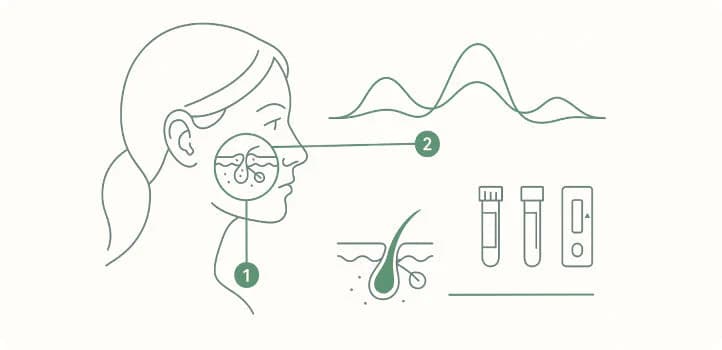
While diet and stress management can improve both teen and adult acne, guesswork only goes so far. Identifying the precise reasons behind your breakouts helps you choose the right strategy. BreakoutLabs' Acne Root Cause Test measures key biomarkers—sex hormones, stress hormones, and nutrient levels—to uncover imbalances that topical products can't address. Understanding whether high androgens, insulin resistance or nutrient deficiencies are at play lets you take targeted action.
Benefits of Testing
- Clear guidance: Know whether hormones, stress or nutrition are driving your acne.
- Personalized plan: Your Clear Skin Blueprint™ offers diet, lifestyle and supplement recommendations tailored to your results.
- Cost-effective: Eliminate the trial-and-error of buying new products that don't address the real problem.
FAQs
Is it normal to get acne as an adult if you didn't have it as a teen?
Yes. Adult-onset acne is common and often linked to stress, medications, hormonal fluctuations or underlying conditions. It may appear suddenly despite a previously clear complexion.
Why is my teenager's acne on their back and chest while mine is on my chin?
Teen acne typically appears on the face, chest and back because hormones enlarge oil glands in those areas. Adults often break out on the chin, nose and around the mouth due to differences in hormone receptors.
Do I need different products as I age?
Absolutely. Adult skin is often drier and more sensitive; harsh treatments that worked in your teens can cause irritation later. Opt for gentle cleansers, targeted treatments and consistent moisturizing.
Conclusion: Adapt Your Strategy as You Age
Acne isn't just a teen problem—it's a sign your body is trying to communicate something. Teen breakouts usually stem from puberty-related hormone surges and often resolve as hormones stabilize. Adult acne, however, involves a complex interplay of hormones, stress, diet, medications and skin changes. By recognizing these differences, you can tailor your skincare, lifestyle and treatment choices to your life stage.
Ready to go deeper and uncover your unique triggers? Take control with the Acne Root Cause Test and receive a personalized roadmap to clearer skin at any age.