What to Eat (and What to Avoid) for Clearer Skin
Discover how your diet influences hormones and inflammation that drive acne. Learn which foods to favor and avoid for clearer, healthier skin.
Last updated: November 11, 2025
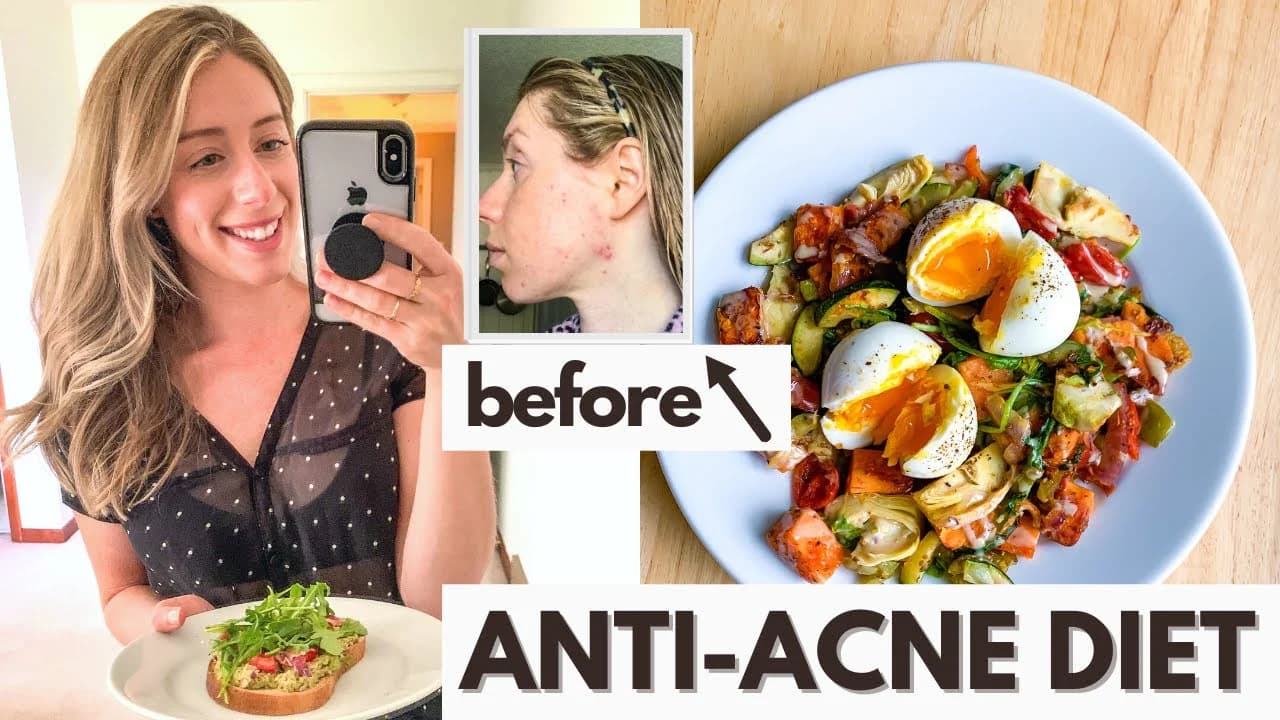
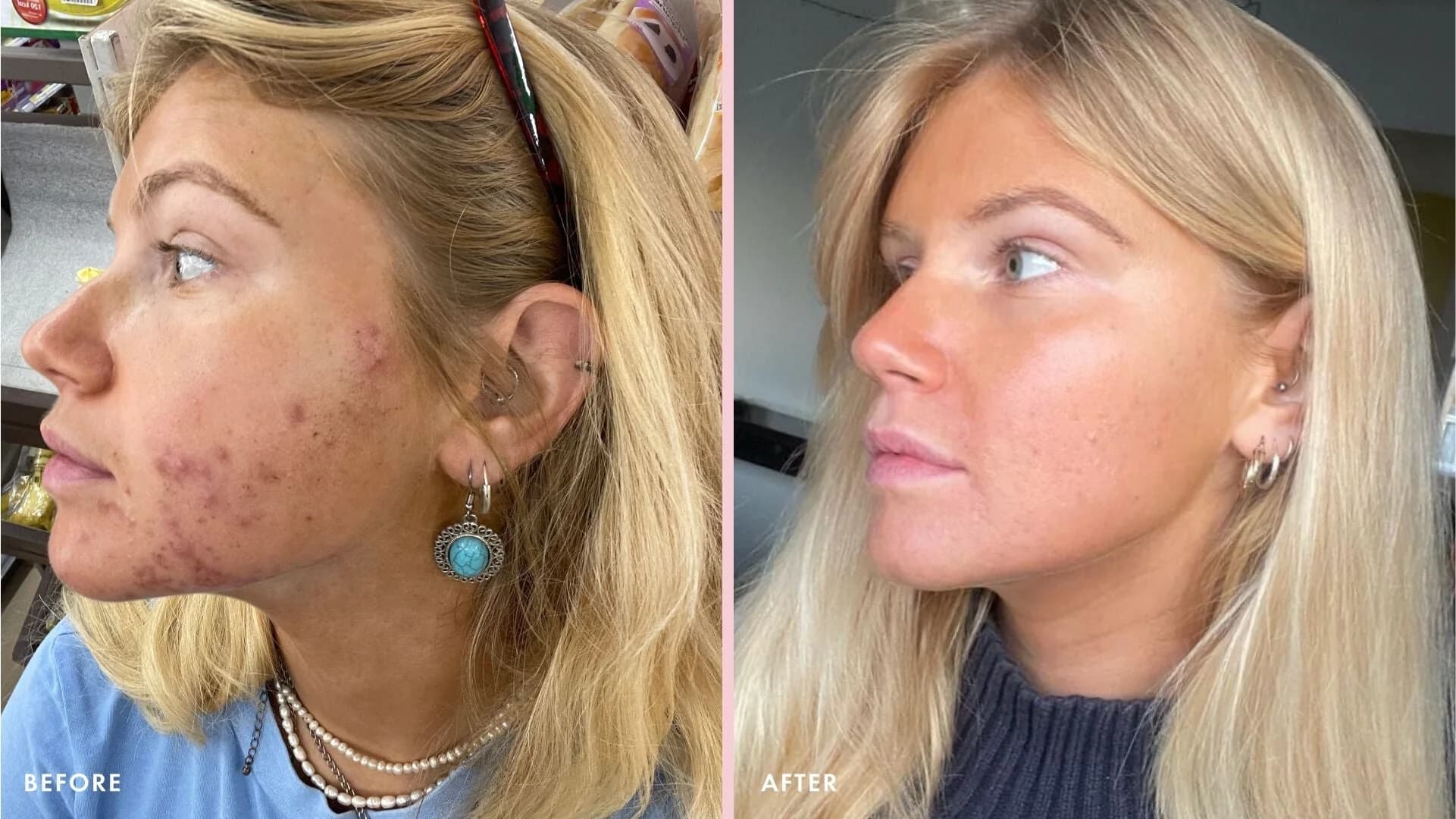
Have you ever wondered why your skin flares after a sugary binge or seems calmer when you stick to whole foods? While food is not the sole cause of acne, emerging research suggests that what you eat can influence the hormones and inflammatory pathways that drive breakouts. For those struggling with hormonal acne, diet can be a powerful lever—both for calming inflammation and balancing the hormones behind stubborn flare-ups.
The Science Behind Diet and Hormonal Acne
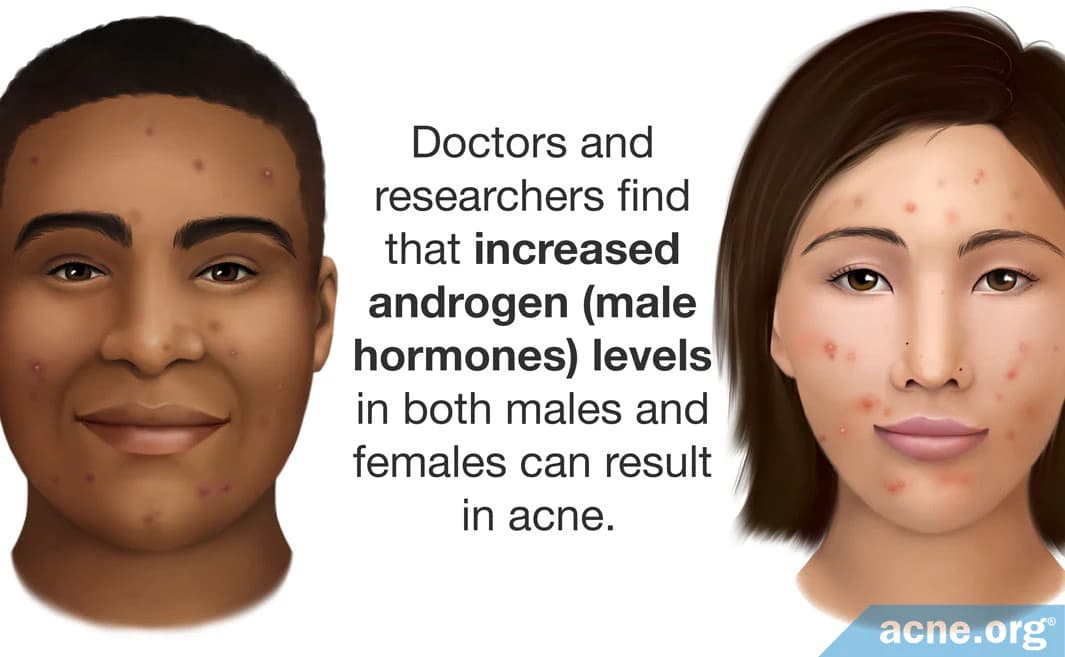
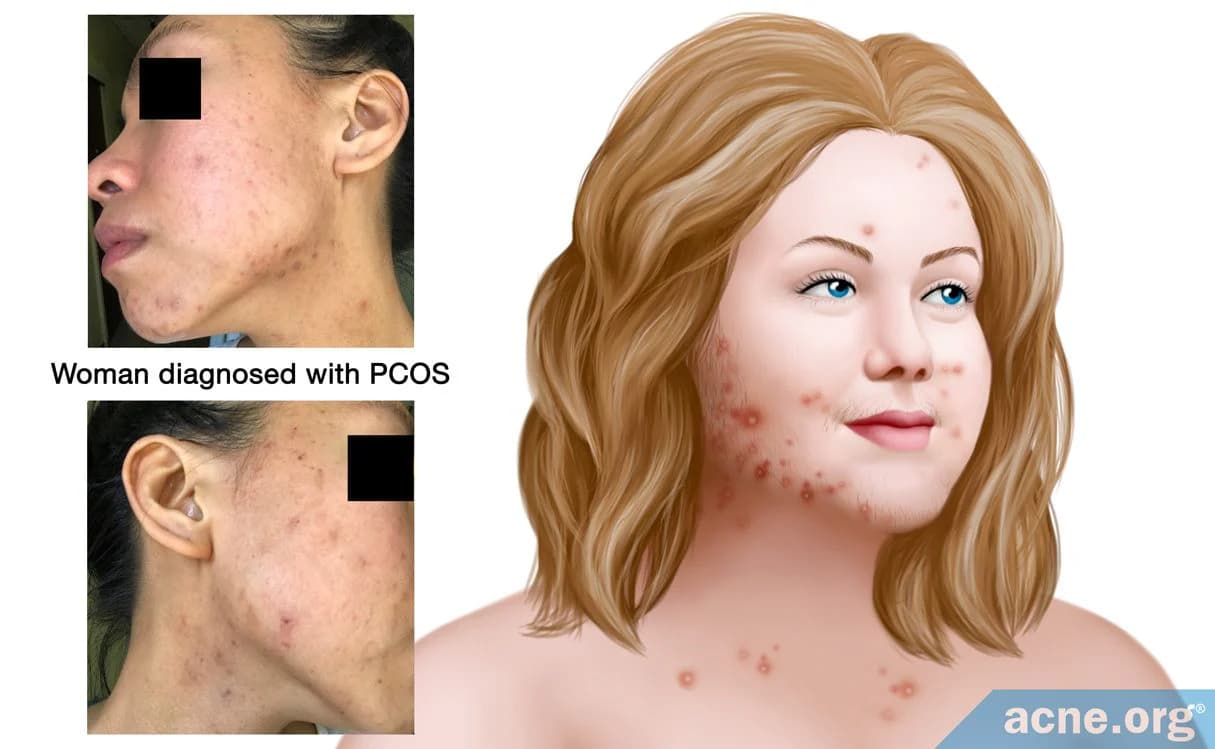
Hormonal acne is primarily driven by fluctuations in androgens (like testosterone), which increase oil (sebum) production and clog pores. Diet can amplify or reduce these hormonal signals:
-
High glycemic foods (white bread, sugary drinks, candy) spike insulin and IGF-1, which in turn drive excess androgen activity and sebum production. Studies show that people who follow low-glycemic diets often experience fewer and less severe breakouts.
-
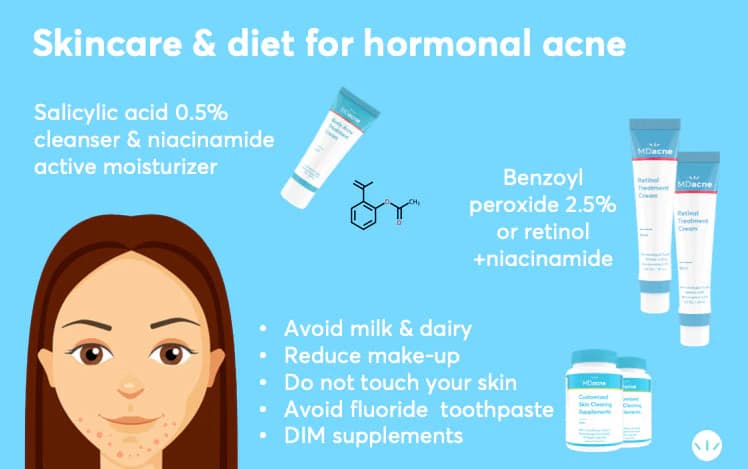
Dairy products, especially skim milk, have been linked to higher acne prevalence. Researchers believe milk proteins may alter hormone levels and stimulate IGF-1.
-
Western-style diets high in processed fats and sugar have been associated with adult acne flares in observational studies.
The evidence isn't absolute—everyone's biology is different—but diet clearly plays a role for many people.
Foods to Favor for Hormonal Balance
Building a skin-friendly diet means focusing on foods that support stable blood sugar, reduce inflammation, and provide key nutrients linked to acne healing:
-
Low-glycemic carbohydrates: Quinoa, oats, lentils, beans, and whole fruits
-
Omega-3 fatty acids: Salmon, sardines, chia seeds, flaxseeds, walnuts
-
Zinc-rich foods: Pumpkin seeds, oysters, beef, chickpeas. Zinc helps regulate inflammation and may reduce acne severity
-
Vitamin D sources: Fatty fish, fortified foods, and sunlight. Vitamin D deficiency is common in acne patients
-
Plenty of vegetables & antioxidants: Leafy greens, berries, cruciferous vegetables—all support skin health and hormone balance
Foods to Limit or Avoid
Not everyone reacts the same way, but the following are common triggers for hormonal acne:
- Sugary snacks & refined carbs (cakes, candy, white bread, soda)
- Dairy products, especially skim milk
- Highly processed foods like fried fast food or packaged snacks that spike inflammation
- Excess whey protein supplements, which may elevate insulin and IGF-1
Sample Acne-Friendly Day of Eating
- Breakfast: Overnight oats with chia seeds, blueberries, and almond milk
- Lunch: Grilled salmon salad with leafy greens, pumpkin seeds, and olive oil
- Snack: Hummus with carrots and cucumber
- Dinner: Quinoa bowl with roasted vegetables, chickpeas, and avocado
Why Testing Still Matters
Changing your diet can make a big difference, but not all acne is food-related. For many people, breakouts are caused by:
- Elevated androgens (testosterone, DHT)
- Cortisol spikes from chronic stress
- Vitamin and mineral deficiencies
- Insulin resistance and blood sugar imbalances
That's where the Acne Root Cause Test from BreakoutLabs comes in. By measuring the key biomarkers tied to hormonal acne, you'll learn exactly what's happening in your body—and whether diet is your biggest lever, or if hormones, stress, or nutrient gaps are the true driver.
FAQs
Can cutting out dairy really help acne?
Some studies show a link, particularly with skim milk, but results vary. Testing your biomarkers can clarify if hormones or nutrients are bigger culprits in your case.
Do supplements like zinc or vitamin D help?
Yes, deficiencies in both have been linked to worse acne, but supplements work best when guided by actual lab results.
Is chocolate bad for acne?
Pure dark chocolate is less likely to be a trigger. The bigger issue is sugar content and additives in most chocolate products.
Bottom Line
While there's no single "acne diet," making thoughtful choices—favoring low-glycemic carbs, healthy fats, and anti-inflammatory foods—can reduce hormonal triggers that drive breakouts. Pairing nutrition with personalized biomarker testing ensures you're targeting the real root cause of your acne, not just guessing.
Order your Acne Root Cause Test today and take the first step toward truly personalized clear-skin solutions.