Stress and Breakouts: How Cortisol Impacts Your Skin
Discover why you break out before big events. Learn about the cortisol-acne link and evidence-based stress management strategies for clearer skin.
Last updated: November 11, 2025

You've planned everything perfectly—work presentation polished, wedding dress fitted—and then... breakout. If stressful events consistently trigger pimples, you're not imagining things. Stress acne, also called cortisol-related acne, is a real phenomenon. Our bodies respond to mental and physical stress by releasing cortisol and other hormones, which can wreak havoc on our skin. Recognizing the cortisol-acne link helps you manage these flare-ups and take proactive steps toward clear skin.
When Stress Shows Up on Your Skin
Stress is more than a feeling; it's a cascade of physiological events. When the brain perceives a threat, it activates the hypothalamic-pituitary-adrenal (HPA) axis. This triggers the release of corticotropin-releasing hormone (CRH) and adrenocorticotropic hormone (ACTH), prompting the adrenal glands to release cortisol. The University of Utah explains that our skin has receptors for cortisol, leading to multiple changes:
- Increased inflammation: Your immune system shifts into "fight" mode
- Impaired wound healing: Existing pimples heal more slowly
- More oil production: Sebaceous glands ramp up sebum output
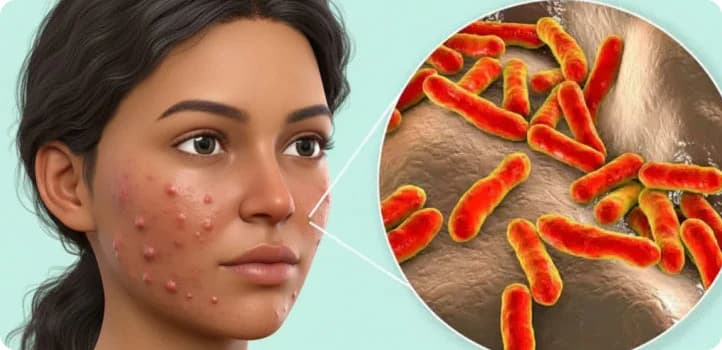
- Reduced infection resistance: Bacteria like Cutibacterium acnes thrive
Behavior also plays a role. Stress often disrupts sleep and encourages habits like touching your face, skipping skincare or eating sugary comfort foods—all of which contribute to breakouts.
Cortisol, CRH and Sebum—The Science
Cortisol and Sebaceous Glands
Research shows that cortisol increases sebaceous gland activity. Elevated cortisol during stressful situations leads to higher sebum secretion and exacerbates acne lesions. Cortisol's partner, CRH, also stimulates sebocytes; together they create an oily environment where bacteria proliferate.
What does this mean for your skin?
- Oilier skin during high-stress periods
- Increased likelihood of clogged pores and inflammatory acne
- Worsening of existing acne lesions
Insulin and Stress
Stress can disrupt your blood sugar regulation. Cortisol counteracts insulin, leading to higher blood glucose and, consequently, higher insulin levels. Elevated insulin stimulates sebocyte proliferation. Combined with cortisol, this can trigger a vicious cycle of oil production and inflammation.
Stress Behaviors
- Face touching or picking: Transfers bacteria and oils to skin
- Irregular sleep: Increases cortisol and reduces skin repair
- Comfort eating: High-sugar snacks cause insulin spikes
Understanding these mechanisms reinforces why stress management is critical for clear skin.
Evidence Linking Stress to Acne Severity
While many people believe stress worsens acne, several studies provide concrete evidence:
-
A cross-sectional study among female medical students found that an increase in perceived stress strongly correlated with increased acne severity (
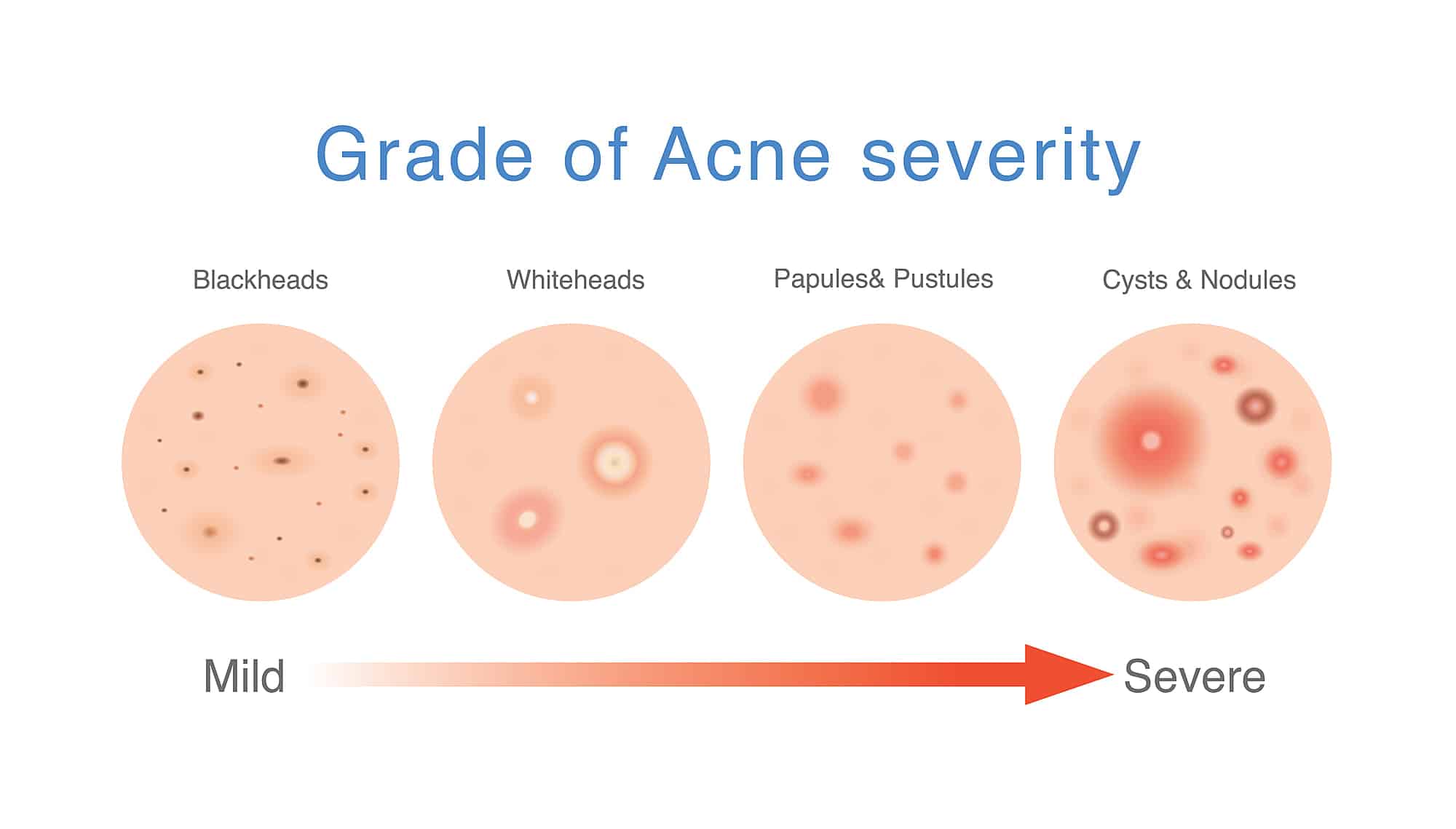
p<0.01). Students with higher stress scores had more severe acne when graded using the Global Acne Grading System. -
Survey-based research shows that 74% of patients and relatives believe anxiety exacerbates acne.
-
In another cohort study, students who practiced relaxation techniques saw improvement in acne severity, suggesting that stress reduction can improve skin.
These findings illustrate the clear link between stress and acne severity. Controlling stress isn't just good for your mind—it's essential for your complexion.
Stress Management Strategies for Clear Skin
Reducing stress doesn't have to mean an expensive spa day. Simple daily practices can keep cortisol in check and help your skin heal.
Sleep & Self-Care
- Aim for 7-9 hours of sleep; lack of sleep elevates cortisol
- Drink plenty of water and eat balanced meals rich in fiber and healthy fats
- Create a consistent bedtime routine—dim lights, avoid screens an hour before bed
Mindfulness & Relaxation
- Practice deep breathing or meditation for 5-10 minutes daily
- Try yoga or gentle stretching to calm the nervous system
- Engage in hobbies you enjoy—reading, crafting, gardening
Nutrition & Exercise
- Choose low-glycemic foods (whole grains, vegetables, lean protein) to keep insulin and cortisol balanced
- Incorporate anti-inflammatory foods like fatty fish, nuts, seeds and leafy greens
- Exercise regularly; moderate physical activity lowers stress hormones and boosts endorphins
Break Harmful Habits
- Keep hands away from your face; keep nails short
- Maintain your skincare routine—even when busy
- Recognize triggers (deadlines, social events) and plan self-care accordingly
Why Testing & Personalization Matter
Stress affects everyone differently. For some, cortisol spikes might be a primary trigger; for others, blood sugar or hormone imbalances play a larger role. Knowing your biomarkers allows you to prioritize interventions.
Benefits of Measuring Stress-Related Biomarkers:
- Cortisol levels: Identify if chronic stress is keeping your cortisol elevated
- Insulin and glucose: Determine whether stress is affecting your blood sugar regulation
- Hormones: Stress can alter testosterone, estrogen and progesterone levels, so monitoring them provides a complete picture
- Vitamin D and zinc: Chronic stress can deplete nutrients; testing identifies deficiencies
Armed with data, you can work with your healthcare provider to develop targeted strategies—whether that's meditation, dietary adjustments, supplementation or medical therapy.
The Acne Root Cause Test – A Comprehensive Solution
BreakoutLabs' Acne Root Cause Test takes the guesswork out of stress-related breakouts:
- Measures seven biomarkers: Cortisol, testosterone, estrogen, progesterone, DHEA, vitamin D and insulin
- At-home convenience: Collect samples on your schedule; no lab visits
- Doctor-reviewed: Licensed physicians interpret your results and provide personalized recommendations
- Actionable insights: Receive a Clear Skin Blueprint™ with stress management tips, dietary guidance and targeted supplements
Ready to see how stress is impacting your skin? Order your kit today and empower yourself to manage stress from the inside out.
Don't Let Stress Steal Your Glow
Stress is an unavoidable part of life, but its impact on your skin doesn't have to be. By understanding the cortisol-acne link and adopting stress management strategies, you can break the cycle of pre-event breakouts. Evidence shows that higher stress levels correlate with more severe acne, while relaxation techniques can improve skin. Testing your stress hormones and related biomarkers provides clarity and personalized solutions. With knowledge and the right tools, you can protect your skin and shine—no matter what life throws your way.