Hormonal Acne: Breaking the Cycle of Hormonal Breakouts
Understand what causes hormonal acne beyond skincare, recognize the signs of hormonal imbalance, and explore testing options that move you beyond guesswork.
Last updated: November 11, 2025
If you've ever wondered why stubborn breakouts seem to pop up like clockwork around your cycle or why no cleanser can keep your jawline clear, you're not alone. While teen acne often fades, hormonal acne is a chronic concern for many adults—particularly women. According to the Cleveland Clinic, it's the direct result of excess sebum produced by hormonal fluctuations. Up to half of women in their 20s and a quarter of women in their 40s battle these cyclical eruptions.
This guide will help you understand what causes acne besides skincare, recognize the signs of a hormonal imbalance, and explore testing options that move you beyond guesswork.
Why Skincare Alone Falls Short
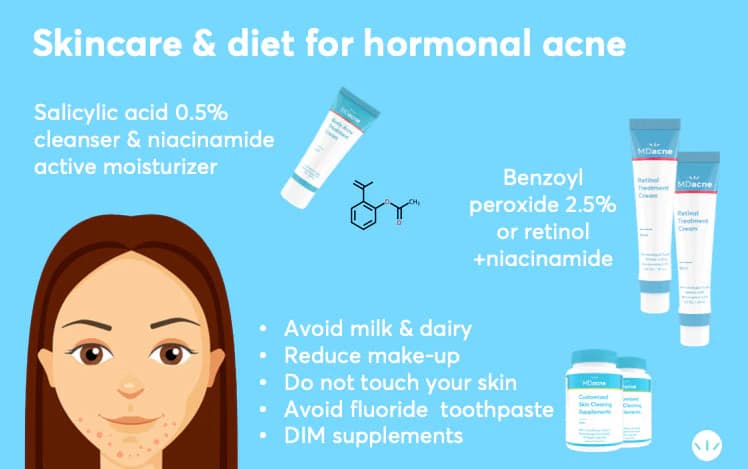
Most acne treatments—cleansers, creams and even prescription medications—target the symptoms: clogged pores and surface inflammation. They rarely address why your skin is overproducing oil in the first place. Hormonal acne is triggered by internal imbalances in androgens, estrogen and progesterone, which can't be resolved with topical products. As a result, you may:
- Cycle through expensive products without seeing lasting improvements
- Experience side effects like dryness or peeling from harsh medications
- Feel frustrated by persistent breakouts despite "doing everything right"
- Ignore the hidden imbalances that continue to drive inflammation
If this resonates, it's time to explore the underlying causes.
Signs and Symptoms of Hormonal Acne
How Do I Know if My Acne Is Hormonal?
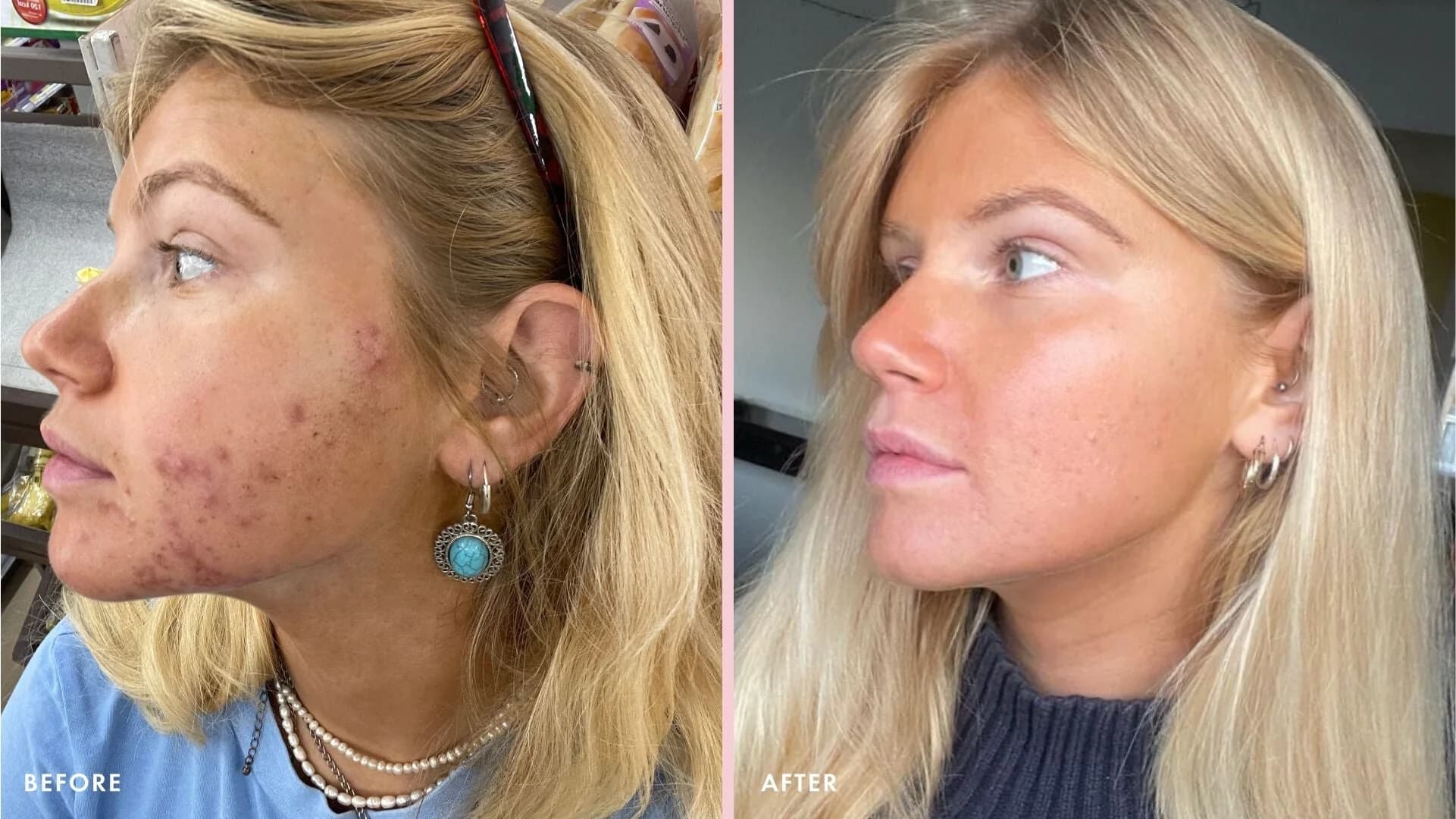
Hormonal acne often looks different from bacterial or environmental acne. Dermatologists note several tell-tale signs:
-
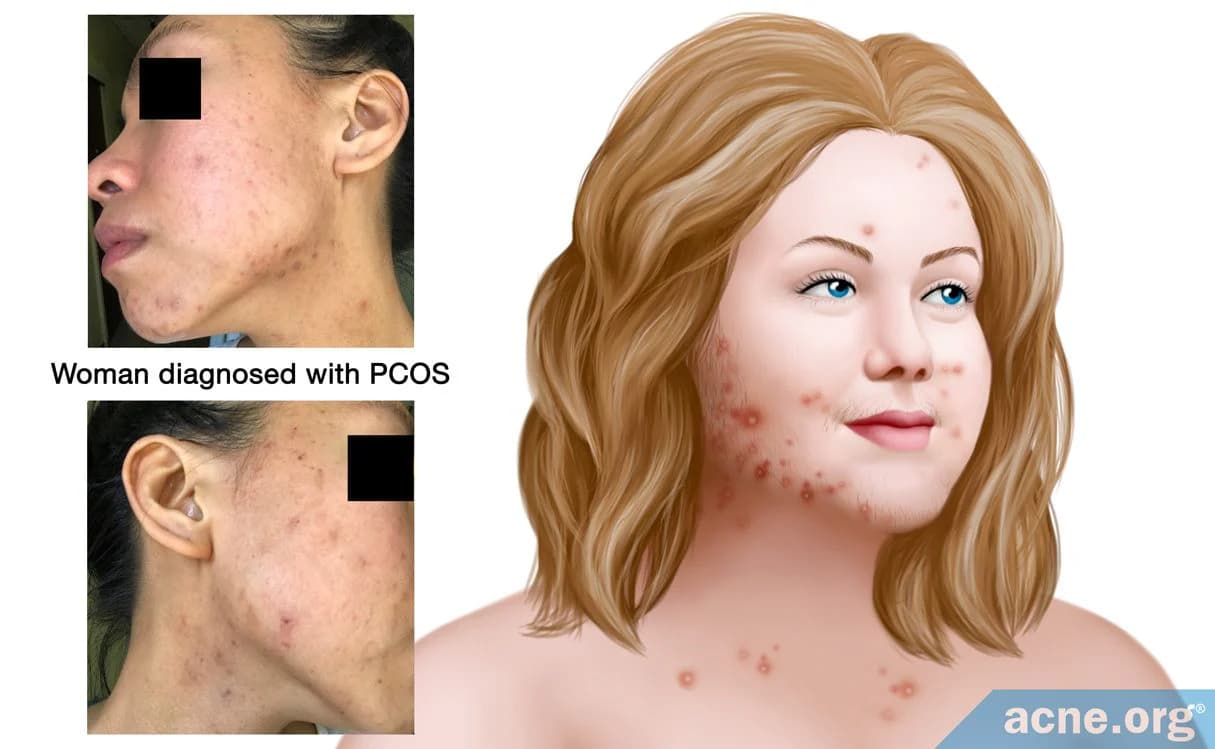
Location: Breakouts cluster along the jawline, chin and neck—areas rich in hormone-sensitive oil glands
-
Timing: Flare-ups occur cyclically, typically 7-10 days before menstruation and improve afterward
-
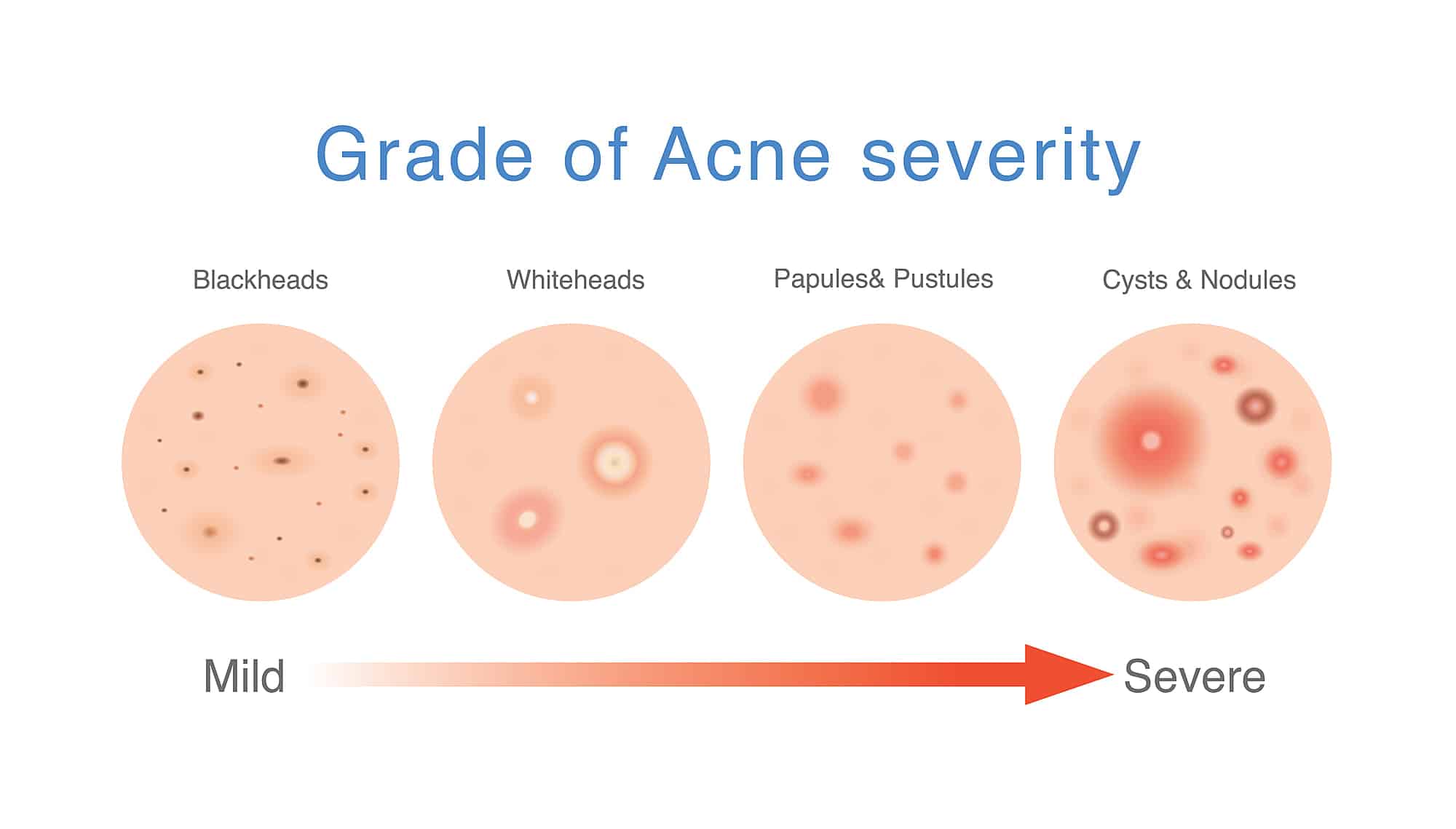
Lesion Type: Painful cysts or nodules are more common than surface-level whiteheads
-
Persistence: Acne continues past adolescence, often appearing in the 20s, 30s and even 40s
-
Other Symptoms: Irregular periods, hirsutism (excess hair), hair thinning or weight changes suggest an underlying hormonal imbalance
If these clues sound familiar, your breakouts may be hormone-driven.
Root Causes of Hormonal Acne
Hormonal acne isn't caused by a single hormone; it's the result of a symphony of imbalances. Here's how each player can lead to breakouts.
Androgens: Testosterone, DHT and Oily Skin
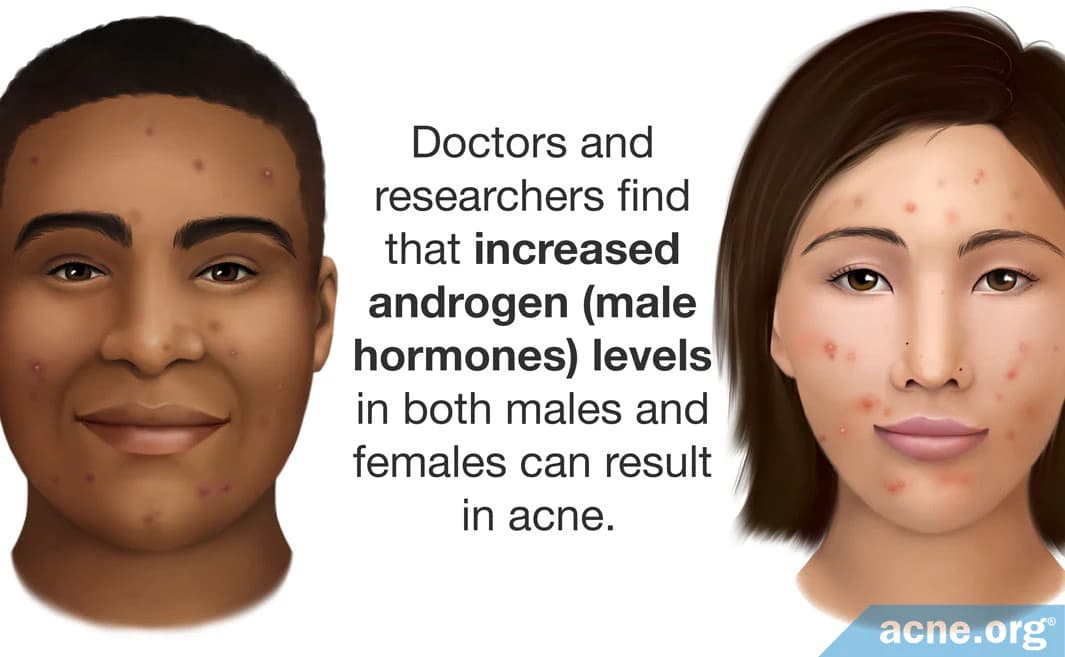
Androgens like testosterone stimulate sebaceous glands to grow and produce oil. Dihydrotestosterone (DHT), a potent metabolite of testosterone, is particularly active in facial sebocytes. When levels are high, sebaceous cells proliferate, pores clog and inflammatory acne lesions form.
Signs of androgen excess:
- Jawline cysts or nodules
- Adult acne that persists despite treatment
- Other symptoms such as excess facial hair, irregular menstruation or hair thinning
Estrogen and Progesterone: The Monthly Rollercoaster
Estrogen helps keep sebum in check, while progesterone can increase oil production. In the luteal phase (post-ovulation), progesterone rises and estrogen falls, which explains premenstrual flare-ups. Low estrogen and high progesterone together may aggravate breakouts.
Watch for: Breakouts that align with your menstrual cycle; mood swings or PMS alongside acne.
Stress Hormones: Cortisol and CRH
Your skin has receptors for cortisol and corticotropin-releasing hormone (CRH). During stress, the brain triggers these hormones, leading to more sebum, inflammation and impaired wound healing. In stressful situations, cortisol directly stimulates sebaceous gland activity and is associated with increased sebum secretion and worsening acne lesions.
Indicators: Acne flares during exams, work deadlines or major life changes; trouble sleeping; nervous habits like picking at your skin.
Insulin and Blood Sugar
High-glycemic meals cause insulin spikes, which increase insulin-like growth factor-1 (IGF-1). This stimulates androgen production and sebocyte proliferation. People with insulin resistance often experience stubborn breakouts.
Clues: Acne worsens after high-sugar or refined carb meals; cravings for sweets; mid-day energy crashes.
The Science Behind Hormonal Acne
Understanding the biology helps demystify why your skin behaves the way it does.
-
Hormone-Sebum Pathway: Androgens bind to receptors in sebaceous glands, increasing lipogenesis and sebum output. Excess sebum mixes with dead skin cells and bacteria, leading to clogged pores.
-
Inflammation: Hormonal imbalances trigger pro-inflammatory cytokines. Stress hormones and insulin also elevate inflammation.
-
Skin as an Endocrine Organ: The skin metabolizes hormones locally. It expresses enzymes like 5-α-reductase (converts testosterone to DHT) and aromatase (converts testosterone to estrogen). When systemic hormones are imbalanced, the skin's micro-environment is disrupted.
-
Multiple Pathways: Besides androgens, corticotropin-releasing hormone (CRH), α-melanocyte stimulating hormone, IGF-1, vitamin D and others influence sebum production.
Testing Options: Moving Beyond Guesswork
When should you consider testing? Dermatologists recommend hormonal evaluation for anyone with signs of hyperandrogenism, acne resistant to conventional therapy or irregular menstrual cycles. Here are common tests:
-
Free and Total Testosterone: Modest elevations (
<200 ng/dL) suggest benign ovarian/adrenal causes; higher levels warrant investigation for tumors -
Androstenedione: Secreted by ovaries and adrenals; early morning samples best capture its circadian rhythm
-
DHEA and DHEAS: High levels (>8,000 ng/dL for DHEA) may indicate adrenal tumors
-
Sex Hormone Binding Globulin (SHBG): Low levels lead to more free testosterone
-
Prolactin: Elevated levels could point to pituitary issues
-
17-Hydroxyprogesterone: Helps screen for congenital adrenal hyperplasia
-
LH/FSH Ratio: A ratio >2 suggests polycystic ovary syndrome (PCOS)
-
Insulin and Cortisol: High fasting insulin or cortisol levels indicate insulin resistance or adrenal issues
These tests can be ordered by a healthcare provider. However, navigating labs and interpreting results can be daunting. That's where a comprehensive, at-home biomarker test can be a game changer.
Why Testing Matters (And How BreakoutLabs Can Help)
Why guess when you can measure? Without testing, you might treat symptoms indefinitely. Accurate lab work offers clarity:
-
Identify root causes: Determine whether your acne is driven by androgens, low estrogen, elevated cortisol or insulin resistance
-
Tailor solutions: With data in hand, you and your doctor can explore targeted treatments—lifestyle changes, nutritional interventions or medical therapy
-
Save money: Avoid buying random products and supplements that don't address your unique imbalances
-
Track progress: Repeat testing helps gauge the effectiveness of interventions and allows for adjustments
The BreakoutLabs Acne Root Cause Test
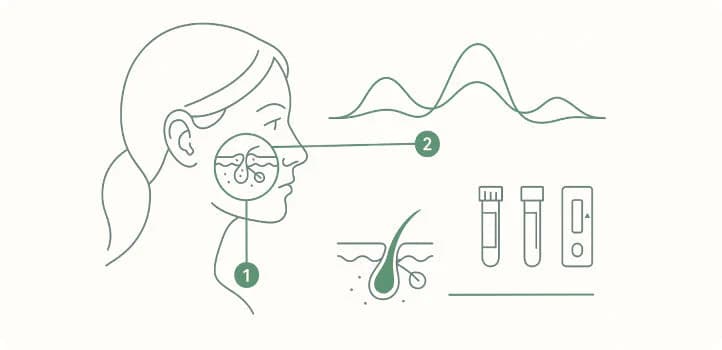
BreakoutLabs' Acne Root Cause Test simplifies the process. This convenient, at-home kit measures multiple biomarkers in one go:
-
Seven key markers: Testosterone, estrogen, progesterone, DHEA, cortisol, vitamin D and insulin levels
-
Easy sample collection: Collect saliva and blood spots from home; send them to a CLIA-certified lab
-
Doctor-reviewed: Board-certified physicians interpret your results and generate a personalized Clear Skin Blueprint™
-
Actionable guidance: Receive dietary, lifestyle and supplement recommendations based on your biomarker profile
Ready to demystify your skin? Order the Acne Root Cause Test or visit our Hormonal Acne FAQ to learn more.
Empower Yourself With Knowledge
Hormonal acne isn't something you have to simply "live with." It's a sign that your body's internal orchestra needs tuning. Imbalances in androgens, estrogen, progesterone, stress hormones and insulin can all play a role. Recognizing the signs—location, timing and associated symptoms—helps you determine whether your acne is hormonal. Testing your hormone levels provides clarity and guides effective treatment, moving you beyond the endless cycle of trial-and-error skincare. When you understand your body, you can finally take control of your skin health.