Vitamin & Nutrient Deficiencies That Trigger Acne: Beyond Serums
Discover how deficiencies in key vitamins and minerals can exacerbate acne. Learn which nutrients matter most and why testing is crucial for clear skin.
Last updated: November 11, 2025

If you've tried countless topical treatments but still find yourself battling breakouts, you might wonder, "Does nutrition really matter for acne?" Emerging research says yes. While acne is multifactorial, deficiencies in key vitamins and minerals can exacerbate inflammation, disrupt hormone balance and impair skin healing. Understanding which nutrients are involved—and whether you're deficient—can be the missing piece in your clear-skin puzzle.
The Limits of Topical Solutions
Topical products focus on cleaning pores, killing bacteria and reducing inflammation on the surface. While important, they don't correct internal imbalances like micronutrient deficiencies. Nutrients play critical roles in regulating the immune system, modulating sebum production and supporting tissue repair. Without adequate stores, your skin may stay inflamed and breakouts can linger despite the best creams.
Key Vitamins and Minerals for Healthy Skin
Vitamin D
Vitamin D is more than a "sunshine vitamin." It regulates keratinocyte and sebocyte differentiation and has antioxidant and anti-comedogenic properties. Studies consistently report lower vitamin D levels in acne patients compared to controls. In a cross-sectional study of 111 Sudanese women, serum 25-hydroxy vitamin D was significantly lower in acne patients (13.3 ± 5.0 ng/mL) than controls (24.2 ± 10.3 ng/mL). Vitamin D levels also negatively correlated with acne severity.
Signs of deficiency: Fatigue, bone pain or muscle weakness; frequent infections; mood changes; acne that worsens in winter or with minimal sun exposure.
Zinc
Zinc is the skin's third most abundant trace mineral. It modulates inflammatory responses, regulates androgen metabolism and has antibacterial properties. A recent case-control study found serum zinc levels were significantly lower in acne patients than in controls (p < 0.001). The prevalence of abnormal zinc levels was higher in acne patients and lower zinc was linked to more severe acne.
Signs of deficiency: Slow wound healing, brittle nails, hair loss, impaired taste or smell, frequent colds.
Selenium
Selenium is a powerful antioxidant that helps regulate sebum and reduces inflammation. The same case-control study observed lower selenium levels in acne patients and suggested that selenium has anti-inflammatory and sebum-regulating effects. Although the difference in abnormal selenium levels wasn't significant, low selenium has been associated with worse acne.
Signs of deficiency: Fatigue, muscle weakness, increased susceptibility to infections, thyroid dysfunction.
Essential Fatty Acids (Omega-3 vs. Omega-6)
Omega-3 fatty acids (found in fish, flaxseed and walnuts) reduce inflammation and modulate sebum composition. In contrast, diets high in omega-6s (common in processed foods) may promote inflammatory acne. Many Western diets have an imbalanced omega-6 to omega-3 ratio, which contributes to skin inflammation.
Signs of imbalance: Dry skin, joint pain, mood disturbances.
B Vitamins & Antioxidants
B vitamins (particularly B6 and B12) support hormone metabolism and cell turnover. However, very high doses of B12 supplements may exacerbate acne in some individuals. Antioxidants like vitamins A and E protect against oxidative damage and support immune function. While not all vitamins are directly linked to acne, deficiencies can indirectly worsen skin health.
What the Science Says
Nutrient deficiencies don't cause acne alone, but they contribute to its severity and persistence. Research highlights key patterns:
-
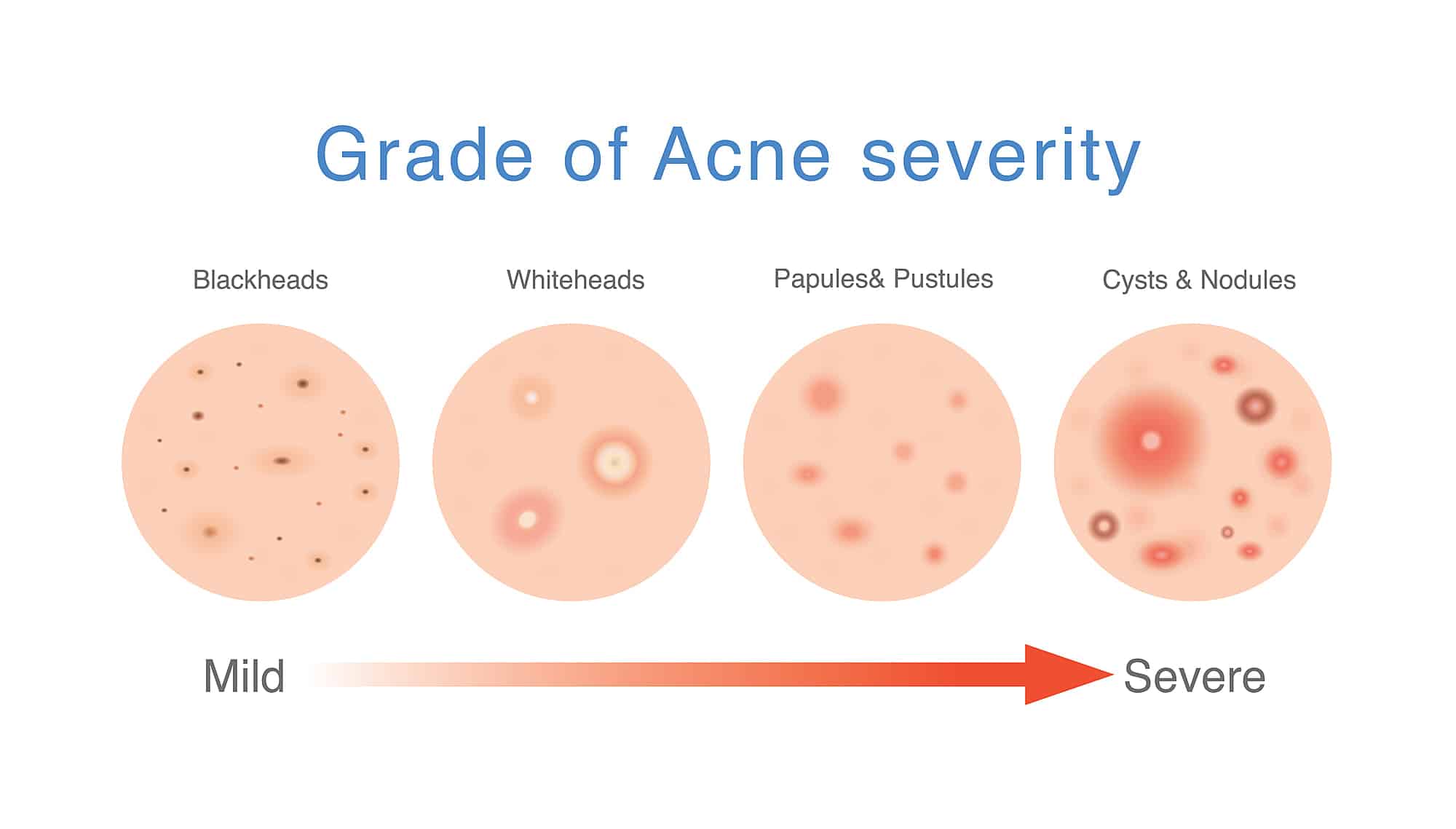
Low vitamin D and acne severity: Serum vitamin D levels inversely correlate with acne grade. People with lower vitamin D levels experience more severe acne and longer disease duration.
-
Zinc, selenium and vitamin D combined: In a case-control study of 100 acne patients and 100 controls, serum zinc, selenium and vitamin D levels were all significantly lower in acne patients (p < 0.001). Patients with grade 4 acne had the lowest levels.
-
Vitamin D's role in immune regulation: It influences sebocyte and keratinocyte activity and possesses anticomedogenic properties.
-
Meta-analyses: Reviews confirm that low serum zinc levels are more common in individuals with acne. Zinc supplementation can improve acne outcomes.
These findings underscore that nutrition is an often-overlooked factor in acne management.
Food vs. Supplements—What Works?
You can't supplement your way out of a poor diet, but targeted nutrients may help if deficiencies are confirmed. Consider these guidelines:
-
Whole foods first: Include oily fish, nuts, seeds, leafy greens, eggs and mushrooms. They provide vitamin D, zinc, selenium and omega-3s in bioavailable forms.
-
Mind your sugar and dairy: High-glycemic foods and dairy can increase insulin and IGF-1, exacerbating acne.
-
Consult a professional: High-dose supplements aren't appropriate for everyone; for instance, excess vitamin A is toxic.
-
Balanced approach: Focus on anti-inflammatory patterns like the Mediterranean diet to support overall skin health.
Why Testing & Personalization Matter
Not everyone with acne is nutrient deficient, and supplementation without testing can create imbalances. Measuring your levels of vitamin D, zinc, selenium and omega-3s helps determine whether deficiencies contribute to your acne.
Benefits of Nutrient Testing:
- Identify hidden deficiencies: Even if you eat well, absorption issues or genetic factors can lower nutrient levels.
- Target treatment: Tailor your diet and supplements based on actual needs.
- Monitor progress: Retesting after interventions shows whether levels improve.
- Avoid over-supplementation: Prevent toxicity and unwanted side effects.
The Acne Root Cause Test – A Personalized Nutrition Perspective
BreakoutLabs' Acne Root Cause Test integrates nutrient assessment with hormonal and stress markers, giving a holistic view of your skin health:
- Biomarkers measured: Vitamin D, zinc, and other critical nutrients alongside hormones and cortisol.
- At-home convenience: Collect samples at home; no clinic visits needed.
- Doctor-reviewed results: Physicians interpret your levels and provide personalized recommendations.
- Clear Skin Blueprint™: Receive diet, lifestyle and supplement strategies tailored to your deficiencies.
Stop guessing which supplements to take. Order your test kit to discover whether hidden nutrient deficiencies are fueling your breakouts.
Nourish Your Skin from Within
Nutrition may not be the sole cause of acne, but deficiencies in vitamin D, zinc and selenium can worsen inflammation and breakouts. Studies show that individuals with acne have lower levels of these nutrients, and the severity of acne correlates with how depleted they are. By addressing nutrient gaps through diet, supplements and testing, you give your skin the building blocks it needs to heal. Combine this with topical care, stress management and hormone balance, and you have a comprehensive approach to achieving clear, healthy skin.