PCOS and Acne: Understanding the Hormonal Link
Learn how polycystic ovary syndrome (PCOS) causes stubborn acne through hormonal imbalances. Discover why topical treatments don't work and how testing your biomarkers can unlock a path toward clearer skin.
Last updated: November 11, 2025
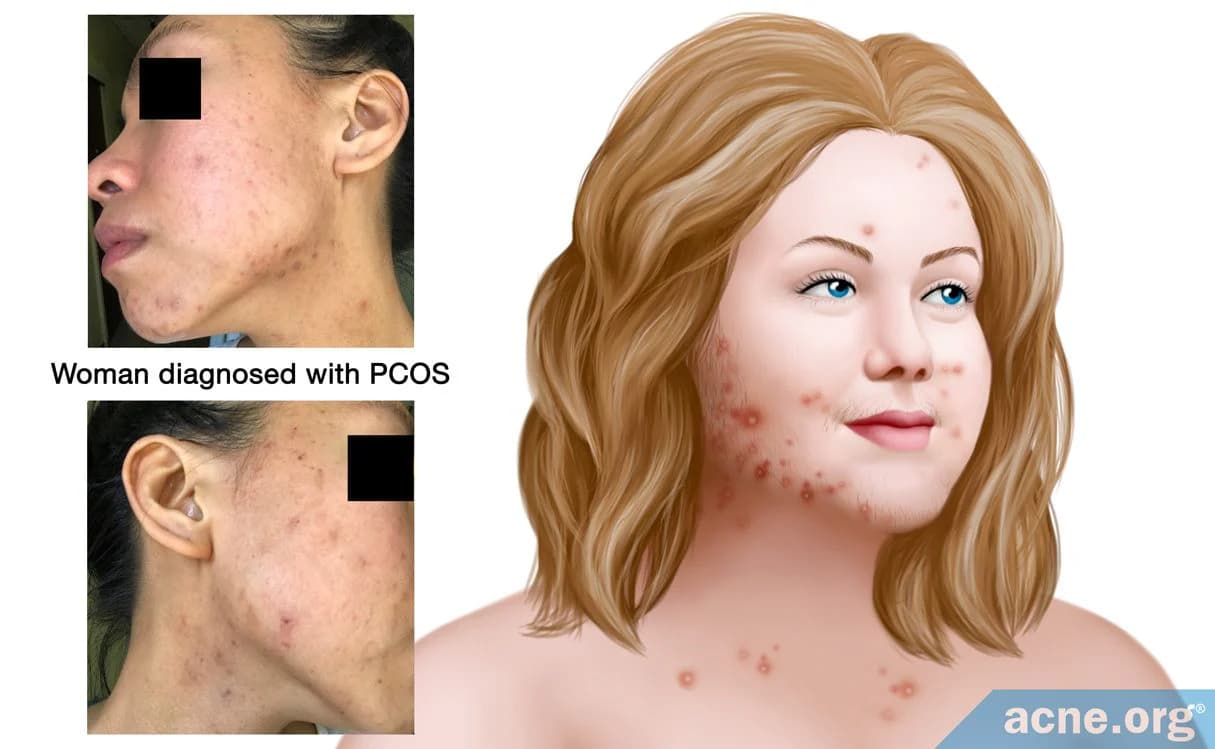
If you've struggled with stubborn jawline or back breakouts that never seem to respond to topical treatments, polycystic ovary syndrome (PCOS) could be an underlying cause. PCOS is a hormonal disorder that affects up to 10-34% of people, and acne is one of its most common—and frustrating—symptoms. While creams and serums slightly help on the surface, they don't address the internal hormone imbalances driving these flares. This guide explains what PCOS is, why it causes acne, and how testing your biomarkers can unlock a path toward clearer skin.
What Is PCOS and Why Does It Cause Acne?
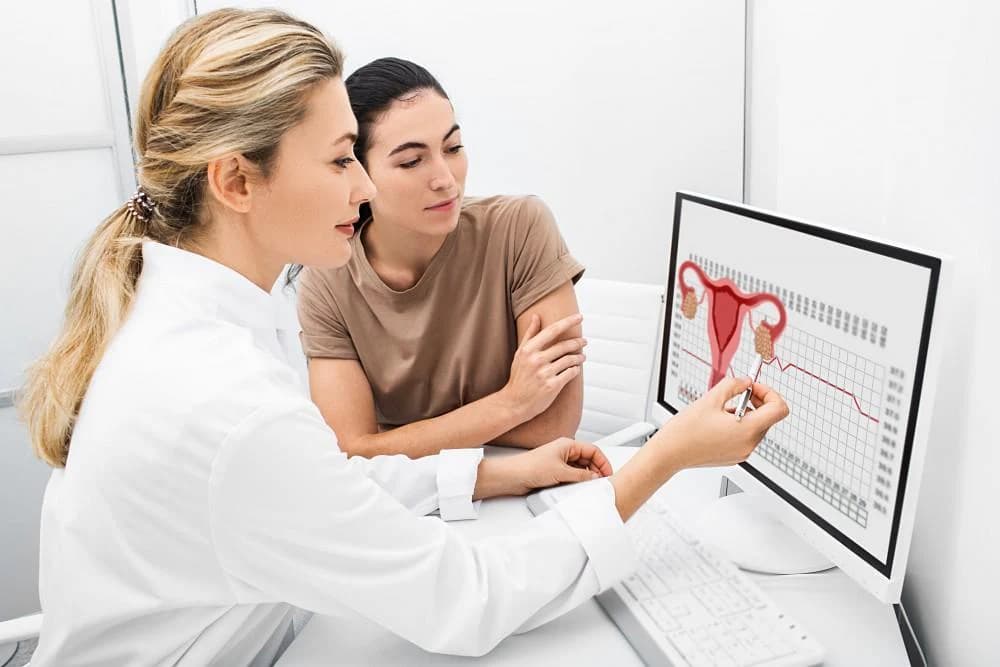
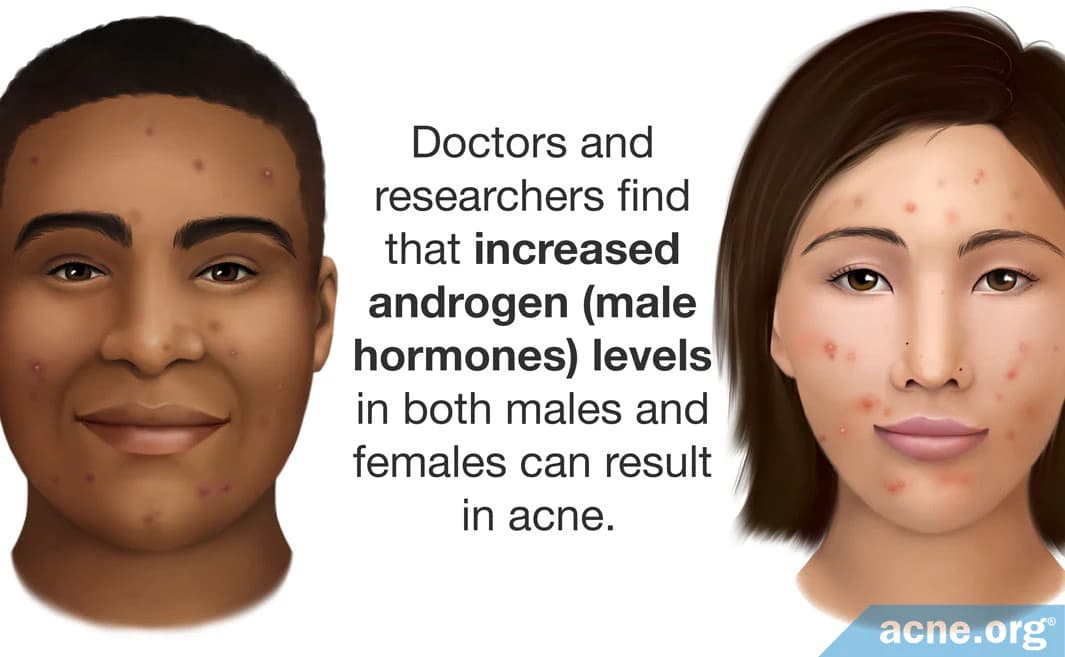
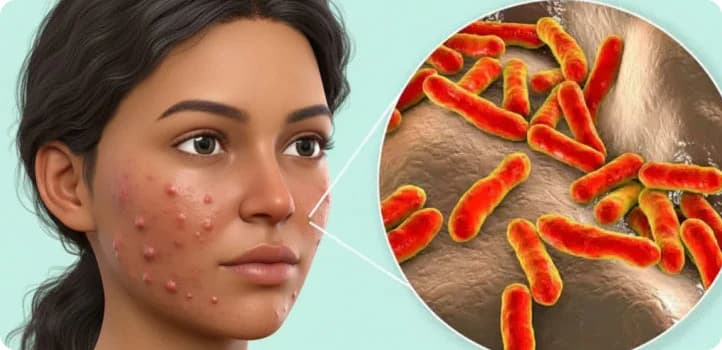
PCOS is a complex endocrine condition that affects reproductive-aged women and people with ovaries. Its hallmark features are irregular ovulation, high androgen levels (hyperandrogenism), and the presence of multiple cysts on the ovaries. Elevated androgens—particularly testosterone and its metabolite dihydrotestosterone (DHT)—stimulate the skin's sebaceous (oil) glands, causing them to produce excess sebum. When sebum mixes with dead skin cells and bacteria, it blocks pores and leads to inflammation and pimples.
Researchers estimate that acne affects roughly one-third of people with PCOS. Because androgens circulate systemically, PCOS-related acne isn't limited to the face—it often appears on the neck, chest and upper back. It may also be accompanied by other signs of androgen excess, such as hirsutism (excess facial/body hair) or scalp hair thinning.
Prevalence and Health Risks
Despite its name, PCOS is more than an ovarian condition. It's associated with metabolic issues—including insulin resistance, obesity and type 2 diabetes—as well as cardiovascular risk, depression and sleep apnea. Many individuals experience symptoms during puberty or early adulthood, but PCOS often goes undiagnosed for years. Left unmanaged, it can increase the risk of severe health problems such as diabetes and high blood pressure.
Signs and Symptoms of PCOS-Related Acne
Because PCOS is a syndrome rather than a single disease, symptoms vary widely. Acne is one of the most visible clues, but it's rarely the only one. Look for these tell-tale signs:
-
Irregular or absent periods – Cycles longer than 35 days in adults or 40 days in teens may indicate chronic anovulation.
-
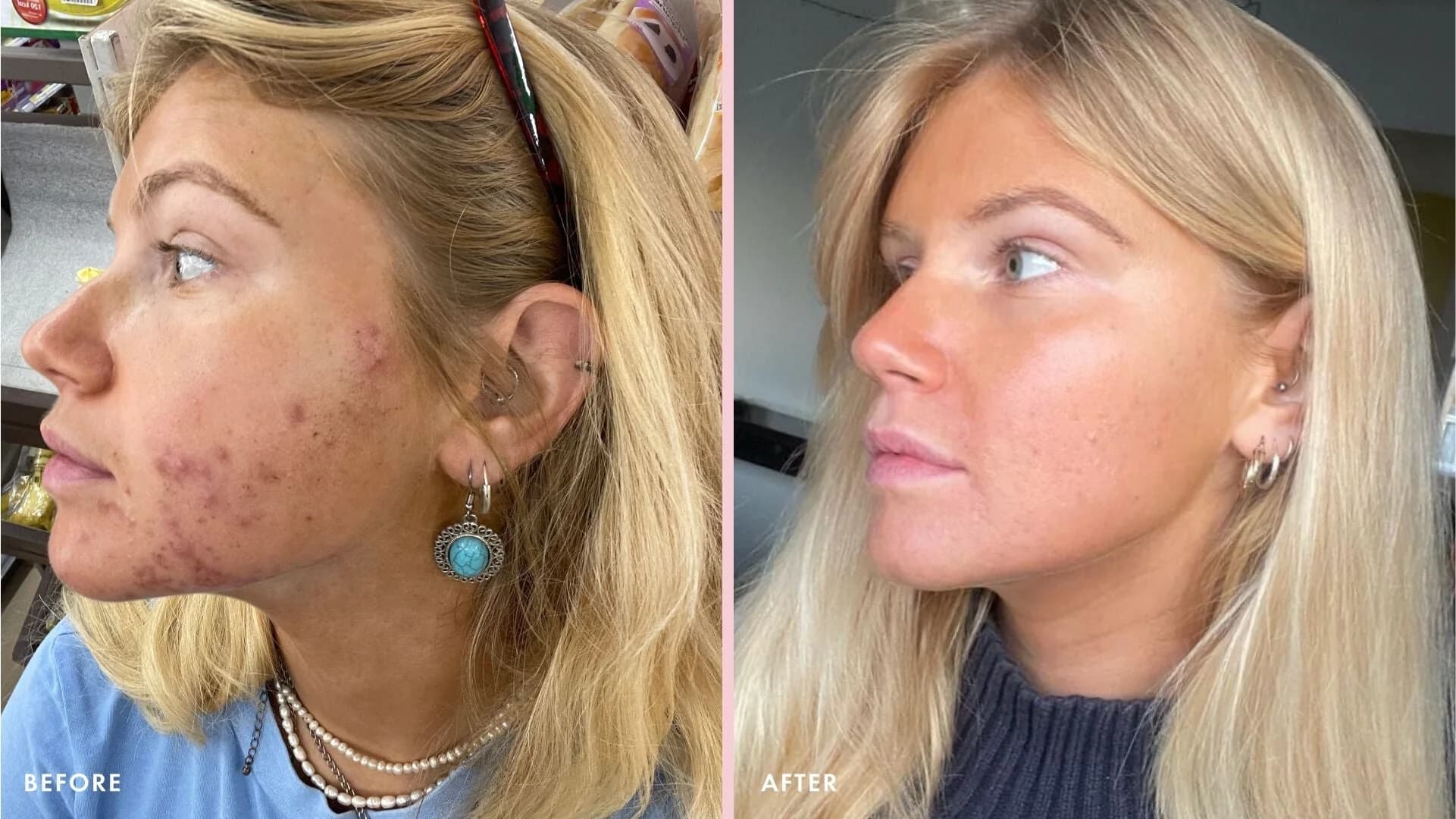
Jawline and back acne – Deep, cystic pimples that flare around the chin, jaw and back often point to androgen-driven acne.
-
Hirsutism or hair thinning – Excess facial or body hair and thinning scalp hair are classic signs of hyperandrogenism.
-
Weight gain and difficulty losing weight – Many people with PCOS have insulin resistance, which makes weight loss challenging and encourages higher androgen production.
-
Mood changes and fatigue – Depression, anxiety and low energy are common co-occurring issues.
If you have persistent acne along with any of these symptoms—especially irregular cycles—consider speaking with a healthcare provider about PCOS. Diagnosing PCOS typically requires at least two out of three criteria: hyperandrogenism (clinical signs or blood tests), chronic anovulation, or polycystic ovaries seen on ultrasound.
The Hormonal Links: Androgens, Insulin and Beyond
PCOS-related acne stems from several intertwined hormonal pathways. Understanding these root causes is the first step toward lasting relief.
Androgen Excess
At the heart of PCOS is hyperandrogenism—excess production of androgens such as testosterone and DHEA. Elevated androgens stimulate sebaceous glands, increasing oil production. They also alter the composition of sebum, making it thicker and more likely to clog pores. This explains why PCOS-related acne tends to be deeper and more inflammatory than typical teenage acne. Some people have normal androgen levels but heightened sensitivity in the skin, so even moderate increases can trigger breakouts.
Insulin Resistance and Metabolic Dysregulation
Insulin resistance is another major driver. When cells become less responsive to insulin, the pancreas produces more insulin to compensate. High insulin levels stimulate the ovaries to produce more androgens, further worsening acne. Studies show that dietary changes and weight loss can reduce insulin resistance and testosterone levels, improving both metabolic health and acne.
Other Hormonal Factors
While elevated androgens and insulin resistance are the most direct links to acne, PCOS also disrupts estrogen and progesterone balance. Progesterone can increase sebum production in the second half of the menstrual cycle, while low estrogen can allow androgens to exert a stronger effect. Chronic stress may elevate cortisol, another hormone that can amplify oil production and inflammation. Together, these imbalances set the stage for persistent breakouts.
Treatment Options for PCOS-Related Acne
There is no single "cure" for PCOS, but there are several ways to manage its symptoms—including acne. The right approach depends on your specific hormone profile and health goals.
Oral Contraceptives and Anti-Androgen Medications
Combination birth control pills (containing estrogen and progesterone) are one of the most common medical treatments for PCOS-related acne. They work by reducing testosterone levels and increasing sex hormone-binding globulin (SHBG), which binds free androgens. Certain progestins—cyproterone acetate and drospirenone—are particularly effective anti-androgens. Research suggests that oral contraceptives can lead to a 30-60% reduction in inflammatory acne within 3-6 months, with 50-90% of users seeing an improvement.
Other medications sometimes used off-label include spironolactone and flutamide, which block androgen receptors or reduce androgen production. These therapies may be effective but require careful monitoring for side effects and are not FDA-approved specifically for acne.
Lifestyle and Diet
For many people, lifestyle changes form the foundation of PCOS management. Key strategies include:
-
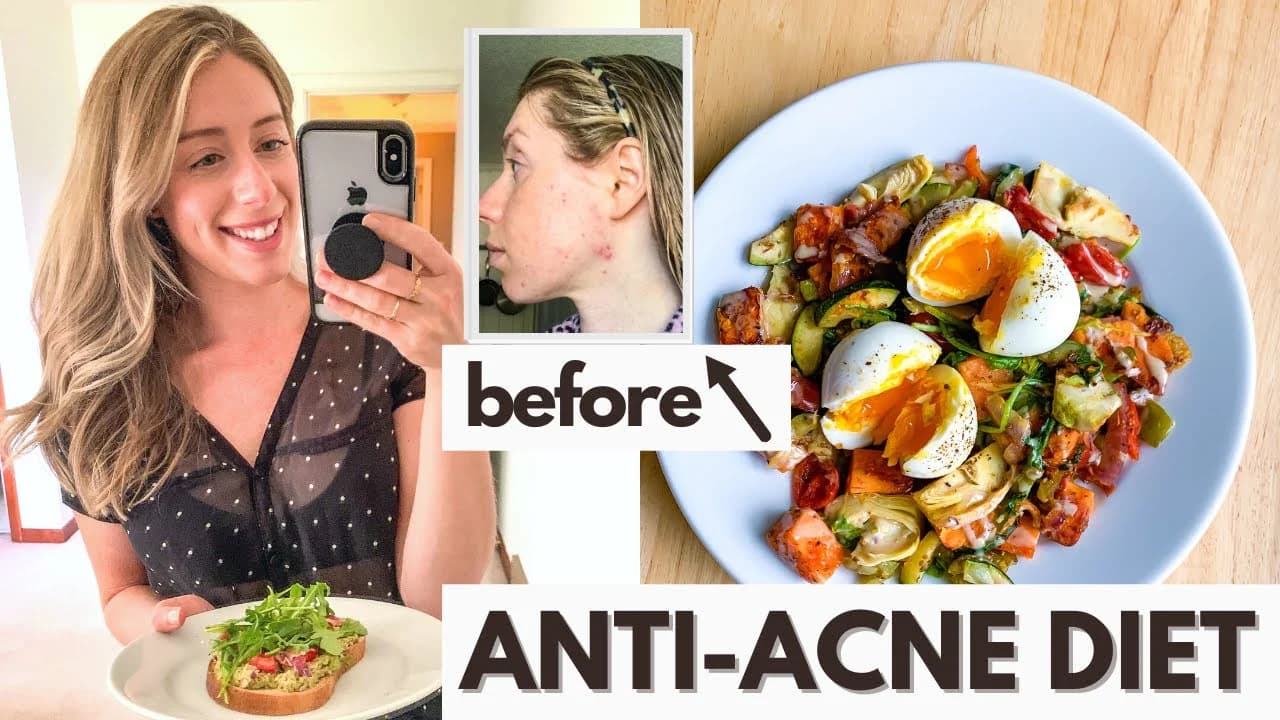
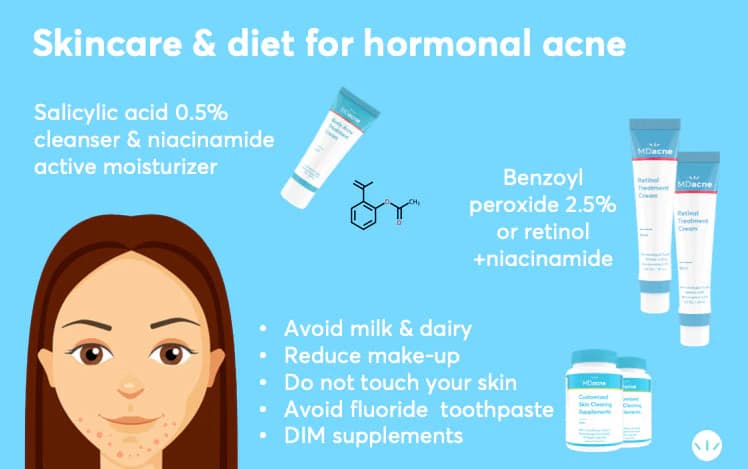
Balanced, low-glycemic eating: Focus on whole foods—vegetables, fruits, lean proteins, whole grains and healthy fats—that keep blood sugar steady. Limit refined carbohydrates and added sugars, which spike insulin and drive androgen production.
-
Weight management: Even modest weight loss can reduce insulin resistance and testosterone. Regular exercise and mindful eating help manage weight and support hormonal balance.
-
Stress reduction: Chronic stress elevates cortisol, which can worsen acne and hormonal imbalances. Practices like meditation, yoga, journaling and deep breathing help regulate the stress response.
-
Adequate sleep: Sleep deprivation disrupts hormones that regulate appetite, insulin sensitivity and inflammation. Aim for 7-9 hours per night.
Targeted Nutrients and Supplements
Nutrient deficiencies can contribute to PCOS symptoms. Evidence suggests that many people with acne or PCOS have low levels of vitamin D, zinc and selenium. Ensuring adequate intake through diet or supplements, under the guidance of a healthcare provider, may help improve hormonal balance and skin health.
Why Testing Your Hormones Matters
One of the challenges in managing PCOS-related acne is that symptoms and triggers vary from person to person. Some individuals primarily struggle with androgen excess; others have more pronounced insulin resistance, cortisol imbalances or nutrient deficiencies. Treating acne without knowing your specific imbalances often leads to frustration, wasted time and unnecessary medications.
That's why biomarker testing is so valuable. By measuring hormone and metabolic markers, you can:
- Identify hyperandrogenism: See if testosterone, DHEA or DHT levels are elevated.
- Assess insulin sensitivity: High fasting insulin or elevated HOMA-IR indicates insulin resistance.
- Check cortisol patterns: Elevated cortisol or a blunted daily rhythm can worsen acne.
- Uncover nutrient deficiencies: Low vitamin D, zinc or other micronutrients can exacerbate inflammation and hormonal imbalances.
Armed with this data, you and your healthcare provider can tailor a plan—whether that's lifestyle changes, medications, supplements or a combination—to address your root causes.
How the Acne Root Cause Test Can Help
BreakoutLabs' Acne Root Cause Test makes biomarker testing accessible from home. This comprehensive kit measures seven key markers linked to acne:
-
Hormones: Testosterone, estrogen, progesterone and DHEA—to identify hyperandrogenism and hormonal imbalances.
-
Stress: Cortisol, to assess how chronic stress may be contributing to breakouts.
-
Metabolism: Fasting insulin and insulin resistance markers, to understand the role of blood sugar in hormonal acne.
-
Nutrient status: Vitamin D and zinc levels, to reveal deficiencies that could be driving inflammation.
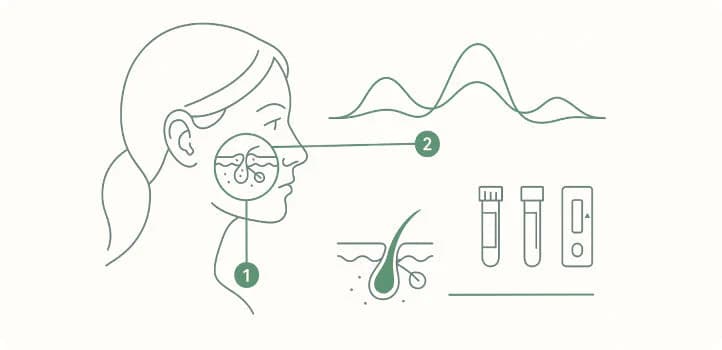
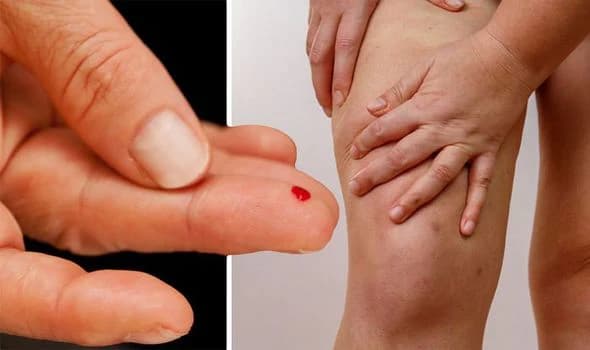
The process is simple: collect blood and saliva samples at home, send them to a CLIA-certified lab, and receive a personalized Clear Skin Blueprint™. A licensed physician reviews your results and provides actionable insights on how to balance hormones, improve insulin sensitivity and correct nutrient gaps.
Conclusion: Moving From Guesswork to Clarity
PCOS is one of the most common causes of adult hormonal acne, affecting up to one-third of people with the condition. Excess androgens stimulate oil production, while insulin resistance and other hormonal imbalances fan the flames. Conventional treatments like birth control can reduce acne, but they don't always address the root causes and come with potential side effects.
The good news is that you don't have to guess. By understanding PCOS and testing your biomarkers, you can identify the specific triggers behind your breakouts and build a personalised plan to rebalance your body. Whether you use medication, lifestyle changes or a combination, the path to clear skin starts with knowledge.
Ready to take control? Order your Acne Root Cause Test today and uncover the hormonal signals standing between you and clear, confident skin.