Period Acne Causes, Treatments, and Cycle-Based Skincare
A comprehensive 2025 guide to understanding and managing acne tied to your menstrual cycle, with dermatologist advice and cycle-aware skincare routines.
Last updated: November 10, 2025
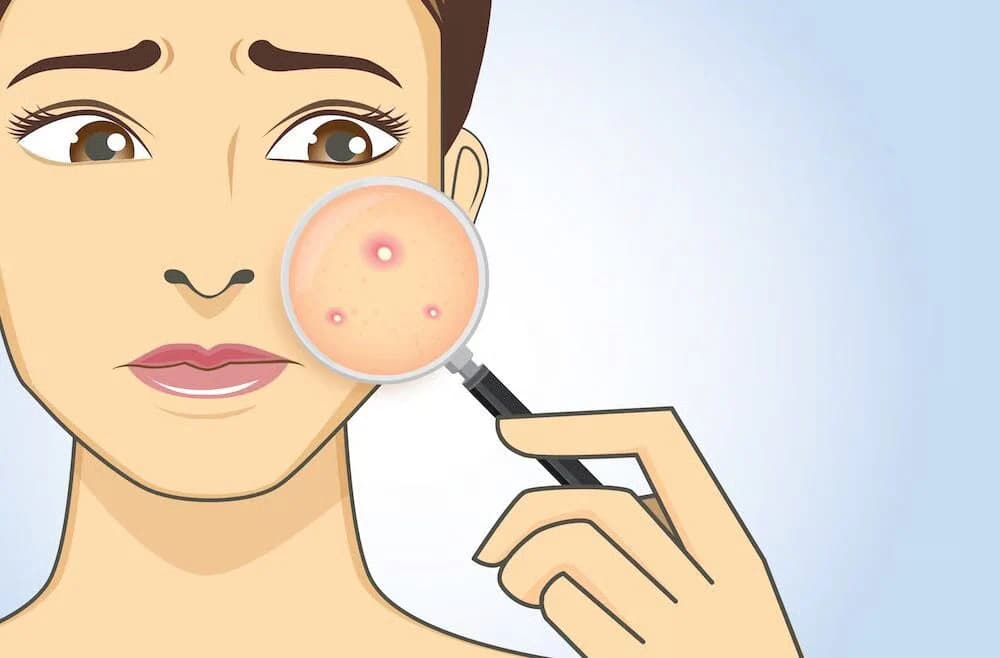
Period breakouts aren't just an inconvenience – for many people they are a monthly source of frustration and self-consciousness. While pimples at any time of the month can be upsetting, acne tied to your menstrual cycle has its own hormonal triggers and patterns. In this comprehensive 2025 guide, BreakoutLabs breaks down why period acne happens, how to recognise it, and what you can do to prevent and treat it. We draw on the latest research and dermatologist advice, offer cycle-aware skincare routines tailored for different skin types, and provide an interactive tracker to help you identify patterns in your own skin. By understanding your body's hormonal rhythms and using data-driven strategies, you can reclaim control over your complexion and your confidence.
1. What Is Period Acne? Defining Hormonal vs. Regular Acne
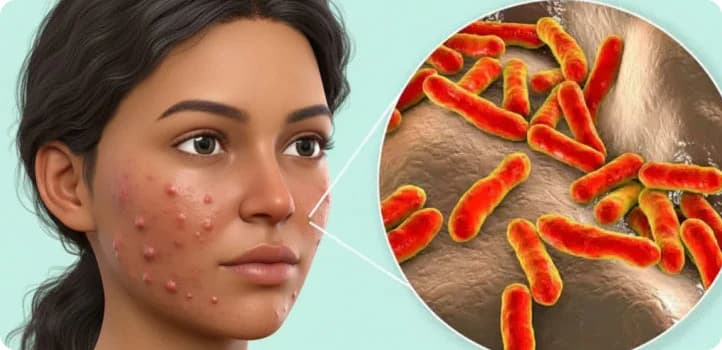
Acne is a multifactorial skin condition characterised by clogged pores, inflammation and in some cases cysts or nodules. Period acne refers to pimples that flare in concert with hormonal changes during the menstrual cycle. These breakouts are usually driven by fluctuations in estrogen, progesterone and testosterone that alter sebum (oil) production and skin inflammation.
Regular acne can occur at any time and may be linked to genetics, stress, diet, or comedogenic products. Period acne tends to follow a predictable timing – often beginning seven to ten days before menstruation and easing once bleeding starts. Research from the health app Flo notes that more than 60% of acne-prone people develop flare-ups before their period. These flare-ups correspond to hormonal shifts in the luteal phase (the two weeks after ovulation) and can recur month after month.
2. How Common Is Period Acne in 2025? Latest US Data
Precise statistics on period acne remain scarce because many studies group all adult acne together. One prospective survey of adult women found that 65% of participants experienced worsening acne during their menstrual cycle; of those, 56% reported symptoms worsening in the week before menses. Health experts note that because more women are delaying childbirth and staying on hormonal contraceptives longer, period-related breakouts are increasingly common throughout a woman's thirties and forties. At the same time, teenage girls still experience hormone-driven acne during puberty due to rapidly rising estrogen and progesterone levels.
3. Why Period Acne Happens: Understanding the Menstrual Cycle and Hormones
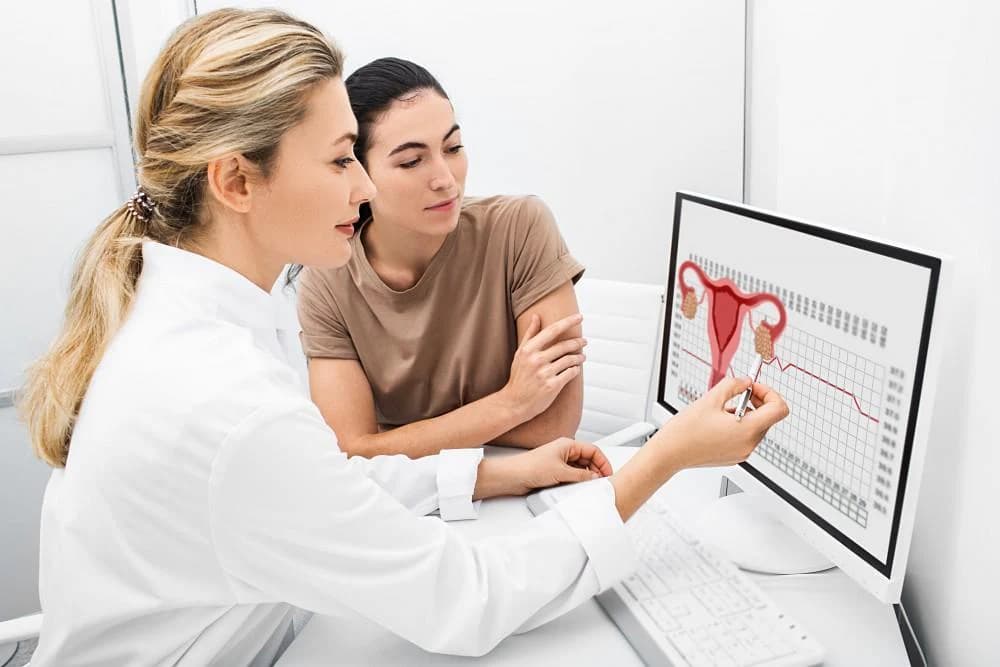
During a 28-day cycle (average), hormones rise and fall in predictable waves. Here's how those changes affect your skin:
-
Follicular phase (Days 1–14) – Estrogen rises as the follicle matures. This hormone has an anti-inflammatory effect and helps keep sebum production in check. Your skin often looks clearer and more radiant during this phase.
-
Ovulation (Day 14) – Estrogen peaks and then drops; progesterone begins to rise. Some people notice small breakouts around ovulation due to shifting hormones.
-
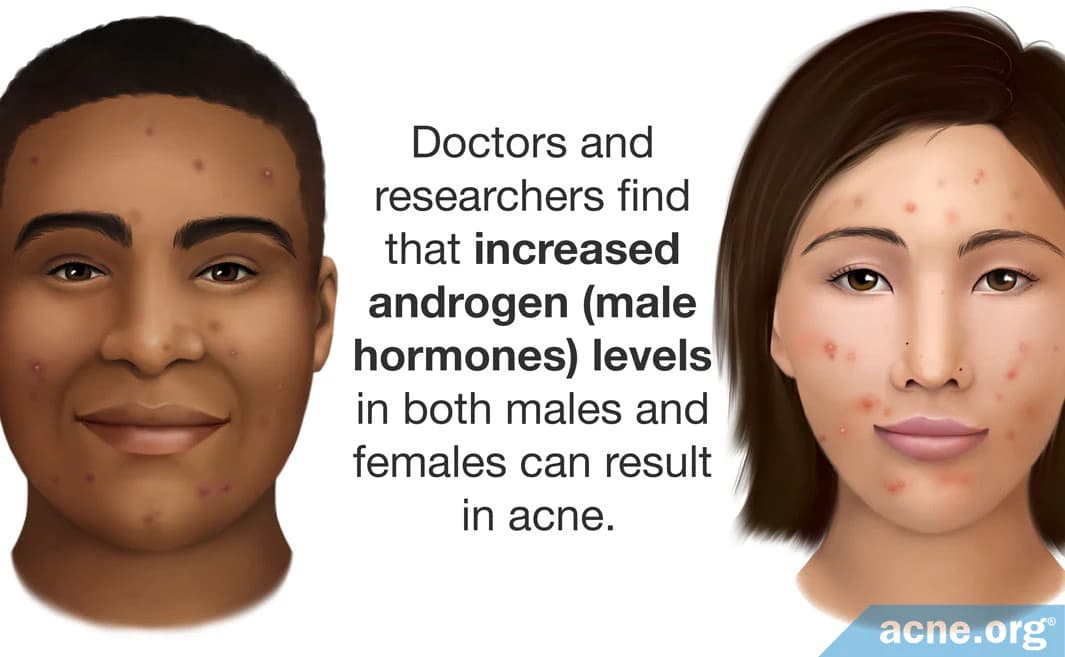
Luteal phase (Days 15–28) – Progesterone rises and stimulates the sebaceous glands to secrete more oil. Testosterone remains relatively steady, so the relative increase in androgens further boosts sebum production. This combination leads to clogged pores, bacterial overgrowth and inflammation. Breakouts often begin about a week before menstruation when both estrogen and progesterone fall.
These hormonal fluctuations explain why period acne tends to recur in the same timeframe each cycle.
4. Spotting Period Acne: Key Signs, Types and Affected Areas
Period pimples can present in several ways:
-
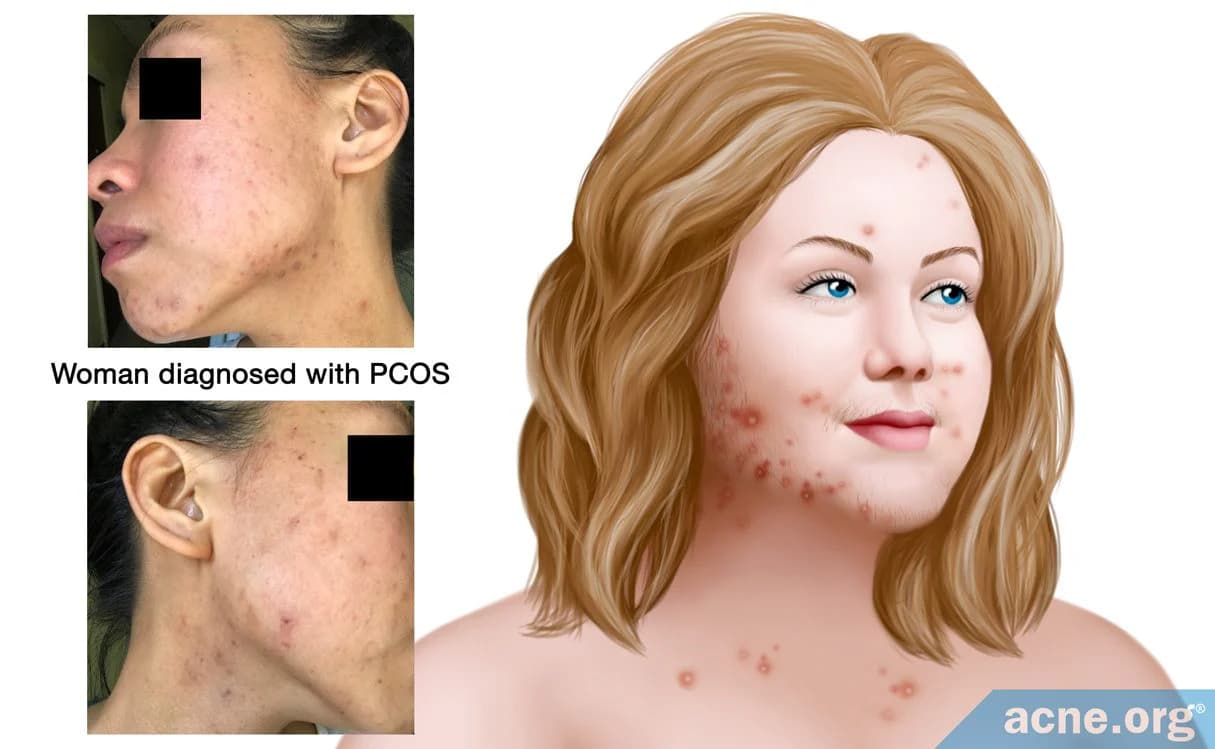
Location – They often appear on the lower third of the face, especially the jawline and chin, but may also crop up on the cheeks, neck, shoulders and back. This distribution reflects the density of hormone-sensitive oil glands.
-
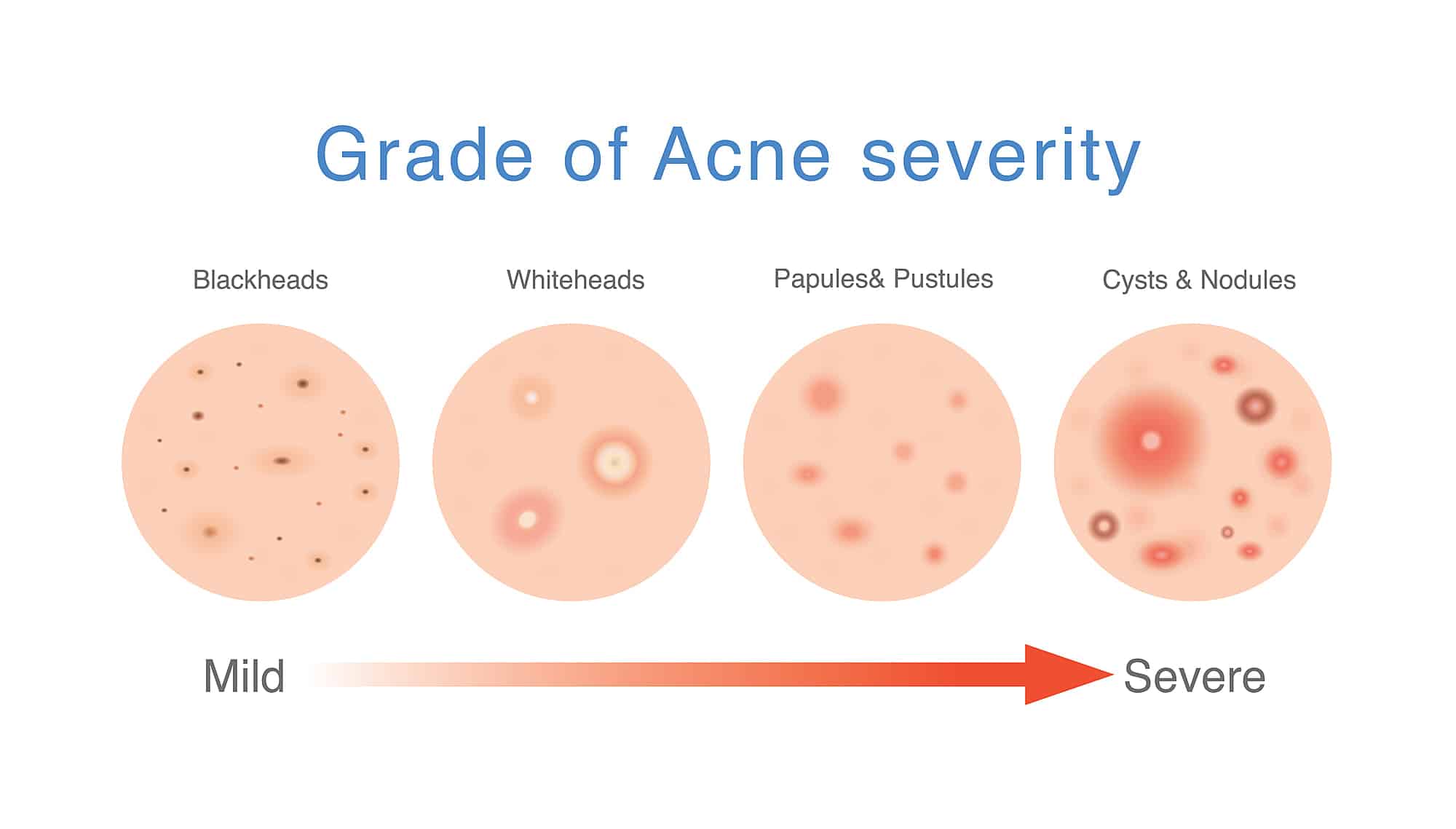
Type – Lesions may be deep, painful cysts or nodules as well as papules and pustules. Cystic lesions are more likely to scar.
-
Timing – Breakouts begin roughly 7–10 days before your period and improve once menstruation starts.
-
Accompanying symptoms – Oiliness, swelling and tenderness around jawline and chin, sometimes accompanied by premenstrual mood changes, bloating and food cravings.
Tracking these signs over several cycles helps distinguish period acne from random breakouts.
5. Phases of Your Cycle and Their Impact on Skin
Skin doesn't behave the same way throughout the month. Understanding each phase helps you adapt your care:
Menstrual Phase (Days 1–5)
- Hormonal trends: Estrogen and progesterone are low
- Common skin changes: Skin can feel dry and sensitive; inflammation from luteal phase may still be present; period breakouts start to subside
Follicular Phase (Days 6–14)
- Hormonal trends: Rising estrogen, low progesterone
- Common skin changes: Sebum production declines; skin looks clearer; good time for exfoliation and introducing actives like AHAs/BHAs
Ovulation (Day 14)
- Hormonal trends: Estrogen peaks then drops; progesterone rising
- Common skin changes: Possible mild breakout; skin may look radiant but may also feel slightly oily
Luteal Phase (Days 15–28)
- Hormonal trends: High progesterone, relative androgen dominance; both hormones drop right before menstruation
- Common skin changes: Increased sebum, clogged pores and inflammation lead to breakouts; skin may feel oily and congested
This pattern explains why targeted skincare changes can help mitigate period pimples.
6. How to Tell If Acne Is Linked to Your Period
To confirm whether your breakouts are related to your cycle, keep a skin journal for at least three months. Note when pimples appear, where they're located and how severe they are. Also track your period start dates. If you notice a consistent flare-up 7–10 days before menstruation, period acne is likely. Our free BreakoutLabs Cycle-Skin Tracker (see Section 14) makes this process easy; you simply mark symptoms on a calendar and the tracker automatically highlights patterns.
7. Cycle-Aware Skincare: What to Do in Each Week
Adapting your routine to your cycle can help prevent and treat flare-ups. Here's a week-by-week guide:
Week 1: Menstruation (Days 1–5)
Gentle cleansing & hydration – Use a mild, sulfate-free cleanser and focus on hydration with non-comedogenic moisturisers containing ceramides or hyaluronic acid. Skin may be dry and sensitive as estrogen is low.
Soothing actives – Incorporate ingredients like niacinamide or cica (centella asiatica) to reduce inflammation. Cleveland Clinic dermatologists recommend cica creams to calm irritated period pimples.
Avoid harsh exfoliation – The skin barrier is vulnerable; avoid strong acids or retinoids during the heavy flow days.
Week 2: Mid-Follicular (Days 6–10)
Introduce gentle exfoliation – Estrogen is rising, so the skin can tolerate alpha hydroxy acids (AHAs) like lactic or glycolic acid. This helps prevent clogged pores before the luteal phase.
Lightweight hydrating serums – Use formulas with niacinamide, panthenol or peptides to strengthen the barrier.
Week 3: Ovulation (Days 11–14)
Balance oil – A slight surge in androgens may cause extra shine. Use a salicylic acid cleanser or toner to keep pores clear.
Antioxidant protection – Vitamin C serums help neutralise free radicals and support collagen production.
Sun protection – Hormone fluctuations can increase pigment sensitivity; use broad-spectrum SPF daily.
Week 4: Luteal Phase (Days 15–28)
Prevent breakouts – Add benzoyl peroxide or retinoids (tretinoin, adapalene) a few nights a week to prevent pore blockage. Start slowly if you're new to retinoids.
Oil control – Use clay masks or oil-absorbing sheets to manage excess sebum.
Stress management – High cortisol can exacerbate breakouts; practice yoga, meditation or breathing exercises.
Remember, non-comedogenic products are crucial year-round – heavy creams or oils can worsen clogged pores. Also consider changing your pillowcase and face towels frequently.
Adjustments for Different Skin Types
- Oily skin – Focus on lightweight hydration and oil control during the luteal phase. Use gel moisturisers and clay masks.
- Dry or sensitive skin – Skip harsh actives and instead use barrier-repairing ingredients like ceramides and squalane. Introduce retinoids cautiously.
- Combination skin – Spot-treat oily areas with salicylic acid or benzoyl peroxide while keeping the rest of the face hydrated.
8. Period Acne in Teens vs. Adults
Teens – Puberty triggers surges in estrogen and progesterone that enlarge sebaceous glands. Breakouts often affect the T-zone (forehead, nose and chin), chest and back. Teenagers may also experience comedonal acne (blackheads and whiteheads) from increased keratin production.
Adults – Women in their twenties and beyond often notice breakouts concentrated along the jawline and chin. Adult period acne can be exacerbated by stress, polycystic ovary syndrome (PCOS), pregnancy or peri-menopause. Reduced skin turnover in adulthood makes post-inflammatory hyperpigmentation more likely.
Tailoring treatment to age and skin type is important. Teens may respond well to OTC benzoyl peroxide and salicylic acid, while adults may need hormonal therapies, such as oral contraceptives or spironolactone.
9. Treatments: Home Remedies, OTC and Prescription Options
Home Remedies
- Warm/cold compresses – Apply a warm compress to encourage drainage of painful cysts, followed by a cold compress to reduce swelling.
- Avoid picking – Popping or squeezing pimples can cause infection and scarring.
Over-the-Counter (OTC) Treatments
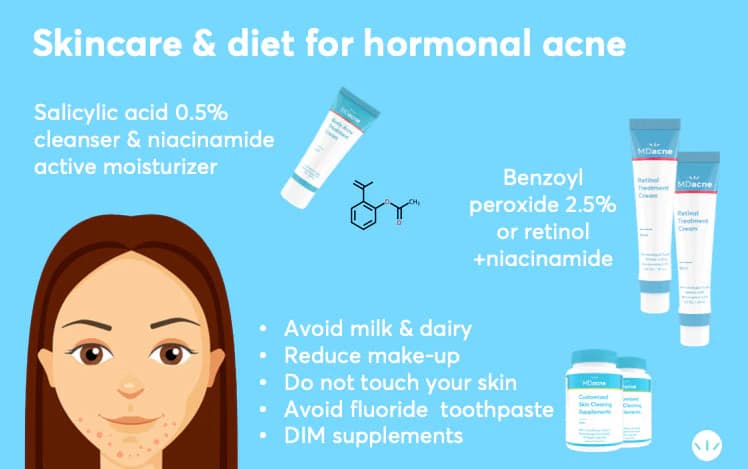
- Benzoyl peroxide – Kills bacteria and reduces inflammation. Use 2.5–5% formulations to minimise dryness.
- Salicylic acid – A beta hydroxy acid that exfoliates inside pores and reduces oil. Often included in cleansers and toners.
- Topical retinoids – Adapalene (0.1%) is available OTC; it normalises keratinisation and prevents new comedones. Start gradually to avoid irritation.
- Cica creams – Contain centella asiatica, which calms redness and aids healing.
Prescription Options
- Topical antibiotics – Clindamycin or erythromycin may be combined with benzoyl peroxide to reduce resistance.
- Hormonal therapy – Oral contraceptives regulate estrogen and progesterone and can decrease sebum production. Spironolactone, an anti-androgen, may be prescribed for persistent jawline acne.
- Oral isotretinoin – For severe, cystic acne unresponsive to other treatments. Requires close monitoring.
- Corticosteroid injections – For isolated large cysts, a dermatologist can inject corticosteroids to quickly reduce inflammation.
10. Emerging Treatments and Research (2025 Trends)
Light Therapy
Red and blue light devices target bacteria and inflammation. The American Academy of Dermatology (AAD) notes that red light therapy is a non-invasive treatment that may reduce acne, but it is usually used alongside standard therapy and evidence for long-term efficacy is limited. At-home devices cleared by the FDA are considered safe but may deliver modest results. Speak to a dermatologist before investing in expensive devices.
Probiotics and the Gut–Skin Axis
Growing research suggests that oral and topical probiotics can rebalance the gut and skin microbiome, reducing inflammation and sebum production. Reviews have found that oral probiotics restore a healthy gut microbiome, reduce systemic inflammation and lower acne lesion counts, while topical probiotics compete with Cutibacterium acnes and enhance skin barrier function. Lactobacillus, Bifidobacterium and Bacillus strains are commonly studied. While promising, probiotics should complement – not replace – proven therapies.
Hormone Testing and Personalised Care
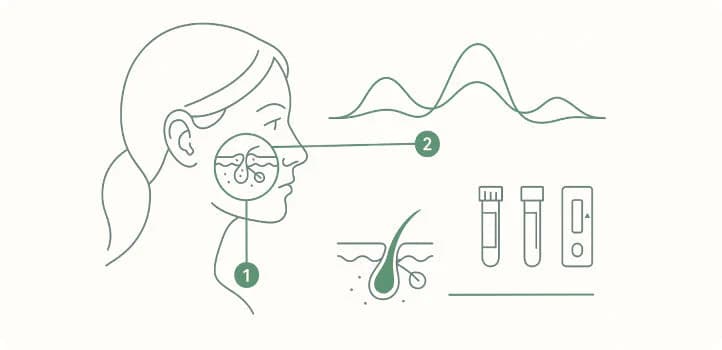
Period acne is often a sign of underlying hormonal imbalances such as elevated androgens, low estrogen or progesterone, or insulin resistance. BreakoutLabs' Acne Root Cause Test measures key biomarkers, including testosterone, estrogen, progesterone and cortisol, to reveal your individual triggers. Understanding your hormonal profile allows you and your healthcare provider to tailor treatment with precision. For example, if high androgen levels are driving breakouts, anti-androgens or diet changes may be more effective than general acne treatments.
11. Diet and Lifestyle: What Helps, What Doesn't
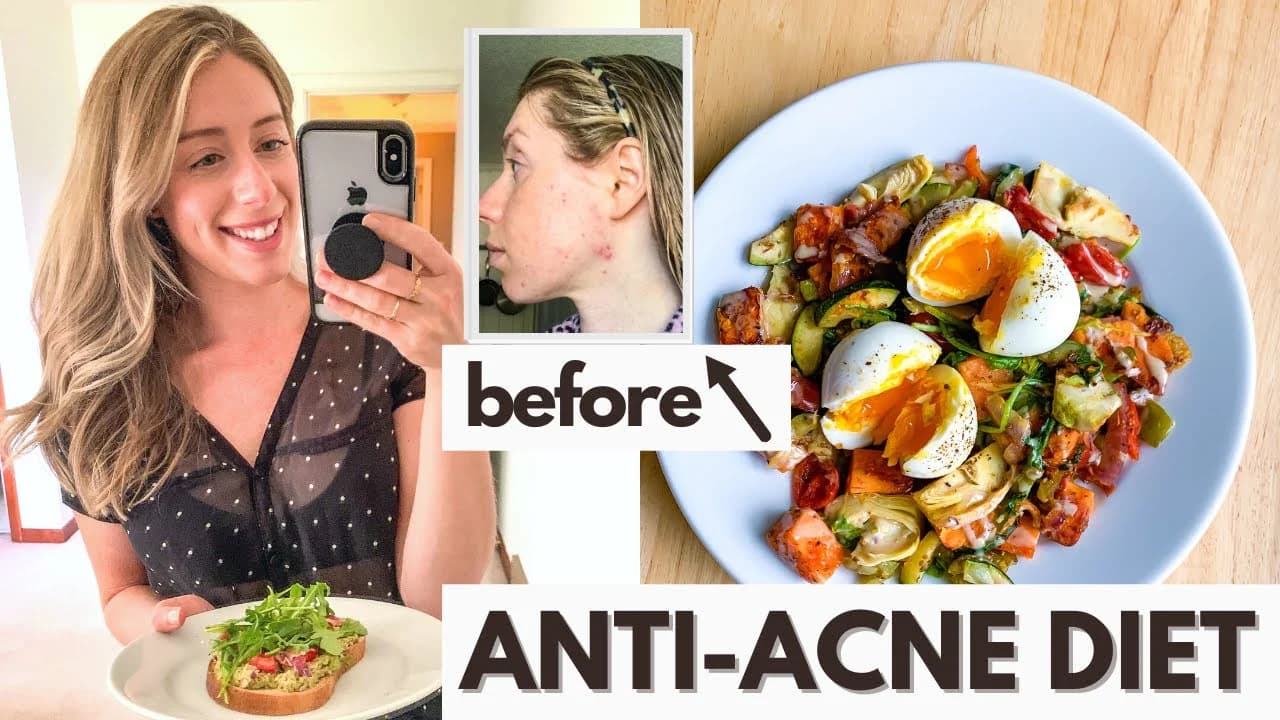
Diet – There's mounting evidence that high-glycemic diets (sugary snacks, white bread, refined grains) and dairy, especially skim milk, increase acne risk. High glycemic foods raise insulin and insulin-like growth factor-1 (IGF-1), which increase androgen production and sebum secretion. Conversely, a diet rich in whole grains, vegetables, lean proteins and omega-3 fatty acids may reduce inflammation and support hormone balance.
Hydration and electrolytes – Staying well hydrated helps maintain a healthy skin barrier. Aim for at least eight 8-ounce glasses of water daily.
Stress management – Chronic stress elevates cortisol, which can worsen hormonal fluctuations. Practices like mindfulness meditation, yoga, deep breathing or journaling may help reduce cortisol surges.
Sleep – Aim for 7–9 hours of quality sleep. Research shows that poor sleep can disrupt hormone regulation and skin barrier function.
Exercise – Regular physical activity improves insulin sensitivity and reduces stress.
12. Myth vs. Fact: Debunking Common Period Acne Beliefs
Myth: Only teens get period acne.
Fact: Adult women often experience hormonal breakouts due to menstrual cycles, pregnancy, postpartum changes and menopause. Period acne can persist into the forties.
Myth: Washing your face more will prevent period pimples.
Fact: Overwashing or using harsh cleansers can strip the skin and lead to more oil production. Gentle cleansing twice a day is sufficient.
Myth: Chocolate causes period breakouts.
Fact: No specific food has been definitively linked to acne; however, high-sugar treats and dairy can contribute to breakouts. Dark chocolate in moderation is unlikely to cause acne by itself.
Myth: Popping pimples speeds up healing.
Fact: Squeezing can push bacteria deeper into the skin, cause scarring and prolong healing.
13. When to See a Dermatologist: Red Flags and Self-Management
While many people can control period acne with OTC products and lifestyle changes, certain situations warrant professional help. According to the AAD, you should see a dermatologist if:
- Your acne doesn't improve after using non-prescription treatments for several weeks.
- You develop new breakouts after previously clearing your skin.
- You have deep, painful cysts or nodules, which can lead to scarring.
- You started breakouts very young (ages 8–11) or have had acne for years.
- Acne is affecting your mental health (anxiety, depression, social withdrawal).
- You notice scarring, dark marks or chest/back acne that doesn't respond to treatment.
A dermatologist can evaluate whether hormonal therapy, prescription medications or procedures (like chemical peels, light therapy or microneedling) are appropriate for you.
14. How to Track Your Symptoms: Free BreakoutLabs Cycle-Skin Tracker
To empower readers to understand their own period acne, BreakoutLabs offers a Cycle-Skin Tracker. This downloadable template lets you record:
- Period start and end dates.
- Daily skin observations (oiliness, breakouts, sensitivity).
- Lifestyle factors (diet, stress, sleep) and treatments used.
- Notes on mood, cravings and other symptoms.
By reviewing your entries over several cycles, you can identify patterns and pinpoint when to adjust your skincare or diet. Pairing this with our Acne Root Cause Test provides a full picture of how your hormones influence your skin.
15. FAQs on Period Acne
What causes period acne?
Period acne is caused by hormonal changes during your menstrual cycle. As progesterone rises in the luteal phase, sebaceous glands produce more oil; testosterone remains steady, so the ratio of androgens to estrogen increases. Pores clog, bacteria proliferate and inflammation ensues. Stress and diet can exacerbate breakouts.
How do I know if my acne is related to my period?
Track your cycle and note when breakouts occur. If pimples consistently appear 7–10 days before menstruation, it's likely period acne.
Can I prevent period acne?
You can reduce flare-ups by following a cycle-aware skincare routine, eating a low-glycemic diet, managing stress and avoiding comedogenic products. Starting targeted treatments like benzoyl peroxide or retinoids in the luteal phase may prevent clogged pores.
Which treatments are most effective for period acne?
OTC options include salicylic acid, benzoyl peroxide and retinoids. For moderate to severe acne, dermatologists may prescribe hormonal therapy (oral contraceptives, spironolactone) or isotretinoin. Emerging treatments such as light therapy and probiotics offer additional benefits but should complement core therapies.
Should I change my skincare routine during my cycle?
Yes. Use gentle, hydrating products during menstruation; add exfoliation and antioxidants in the follicular phase; maintain oil control during ovulation; and introduce targeted anti-acne treatments during the luteal phase. Adjust based on your skin type.
When should I see a doctor for period acne?
If acne is painful, leaves scars, persists despite OTC treatments or impacts your quality of life, consult a dermatologist. They can evaluate underlying conditions and recommend appropriate medications or procedures.
Conclusion
Period acne is a common but manageable condition. By understanding the hormonal rhythms of your cycle, adopting a tailored skincare routine and addressing diet, stress and sleep, you can significantly reduce breakouts. New therapies like light therapy and probiotics offer promising support, but the foundation remains consistent skincare, a healthy lifestyle and – when needed – professional guidance. BreakoutLabs empowers you with cutting-edge testing and tools to decode your unique acne triggers, so you can make informed decisions and enjoy healthier skin year-round.